


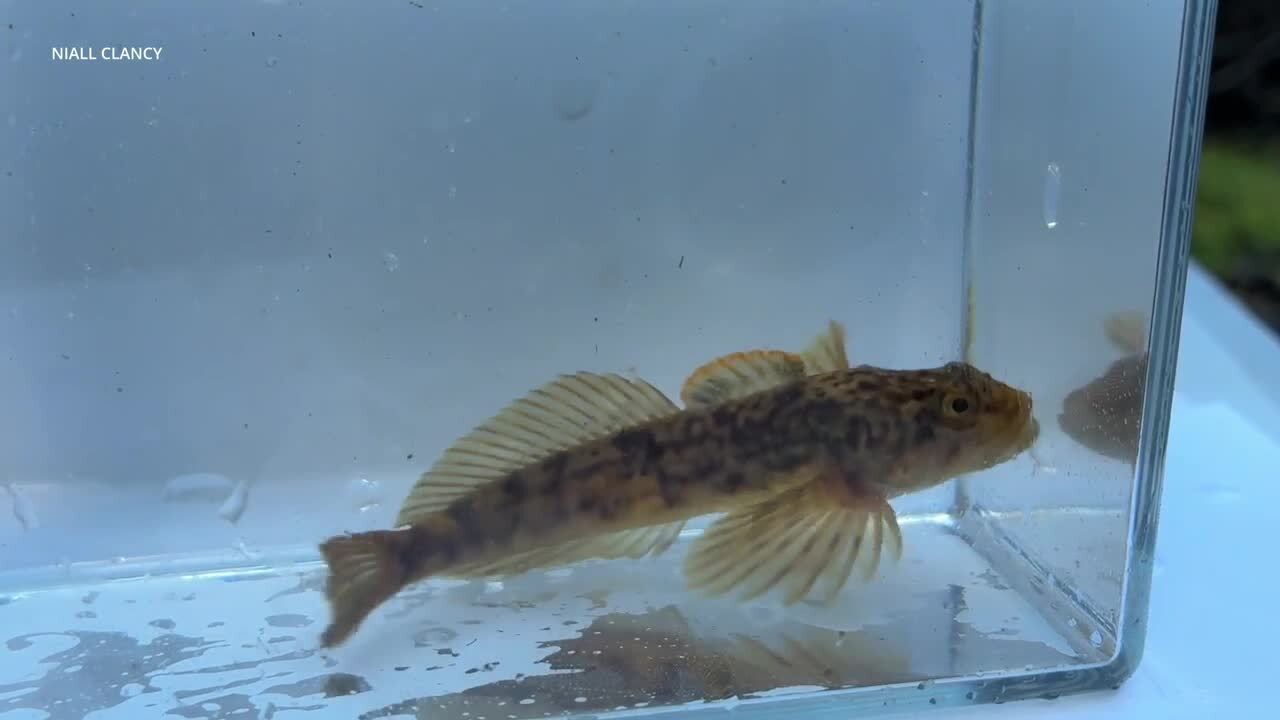
SAPPHIRE MOUNTAINS — Columbia Slimy Sculpin have been part of the Sleeping Child ecosystem of the Sapphire Mountains for years, yet recently, they've been missing.
"They're a native species. They don't get very big, maybe three or so inches long," Montana Fish, Wildlife and Parks (FWP) fisheries biologist Jason Lindstrom said.
"These fish were in this creek. They were here for thousands of years until about 2018, 2019 or so. And then they blinked out," Salish Kootenai College faculty member Niall Clancy told MTN.
WATCH THE FULL STORY HERE:
The water has gotten warmer in the area.
"They're very sensitive to warmer water temperatures," Lindstrom said.
Plus, the Sculpin couldn’t move to a cooler area due to a rock slide.
"Unlike trout, they don't have a swim bladder, which helps regulate where they go in the water column. It also makes them poor jumpers, which is part of the reason where they were unable to get up and over this rock barrier," Clancy explained.
FWP says that resulted in the species ceasing to exist in Sleeping Child Creek.
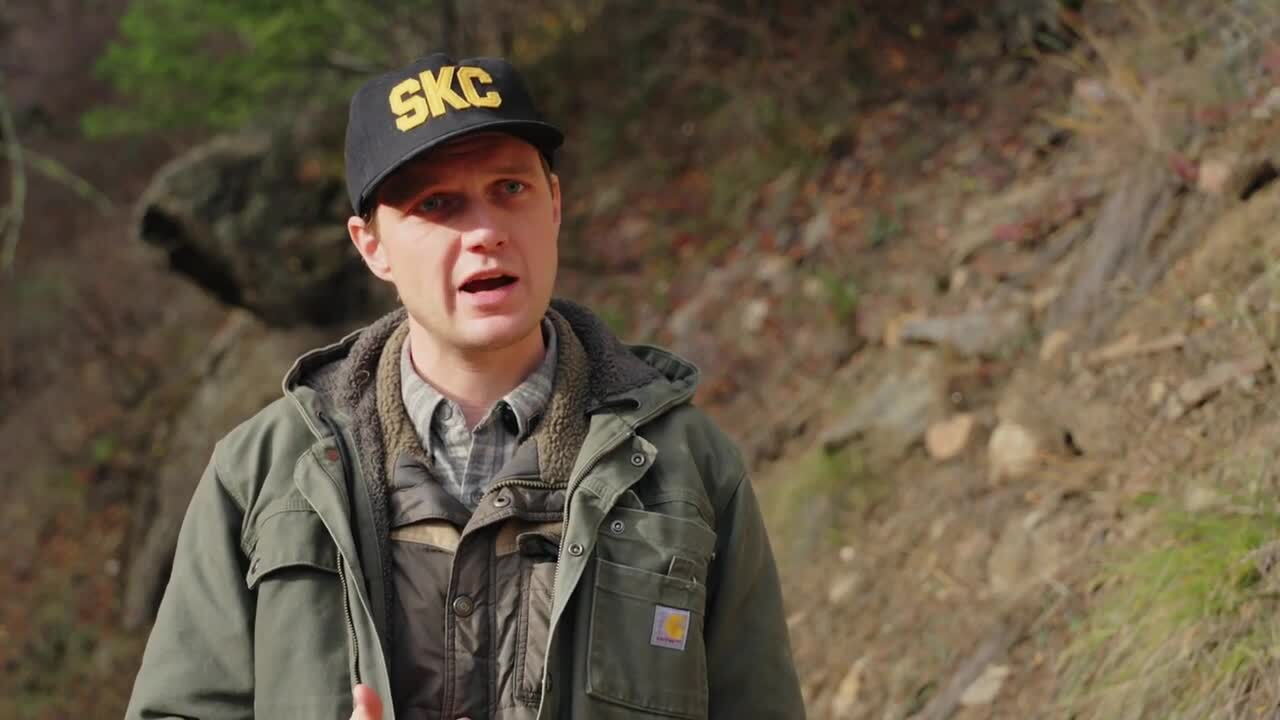
"I’ve been coming to this creek since I was a kid, and this is the first time we watched a population go extinct in the years that I've been coming here. So, to be able to offset that is really important and special to me," Clancy said.
Clancy has been following the population decline and connected with FWP to try and restore Sculpin.
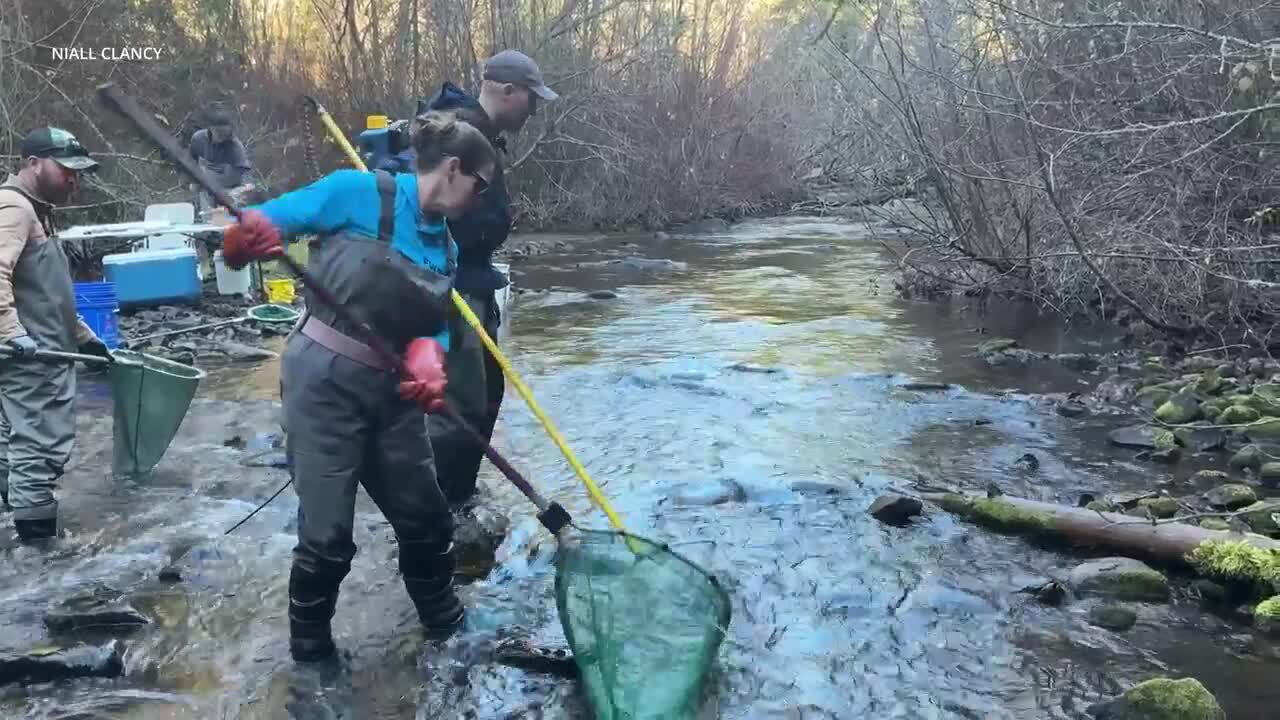
"We electrofished the Sculpin out of the Skalkaho and Daly Creek drainages, and then we moved them in aerated coolers. We put them in Sleeping Child Creek overnight so they could kind of get acclimated, and then we backpacked them on our backs about four miles up the trail," Lindstrom detailed.
At the end of October, 200 fish were translocated to a colder section beyond the rock slide.
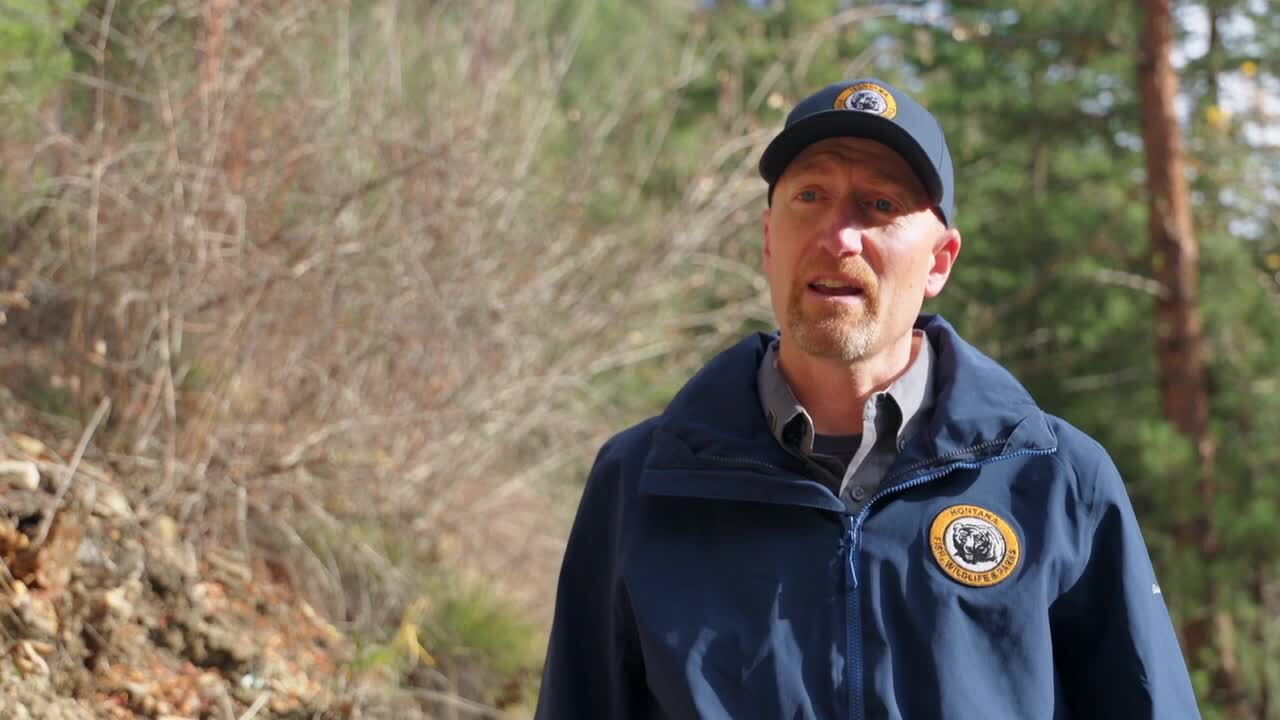
"They are an important fish from an ecological standpoint. They provide a food base for predatory species like bull trout. But, they're important just in and of themselves just because they're a native species," Lindstrom said.
"Keeping common species common is really important for these ecosystems to continue functioning and to help prevent us needing to take more drastic actions further down the line. So, this can also be thought of as a preventative measure to make sure that the species stays in the Bitterroot drainage and is as abundant as it can be," Clancy added.
Both Clancy and FWP will continue to track populations over the next few years.
"We also took genetics on the fish that we did release so that we can see whether or not only a few individuals survived," Clancy said.
