

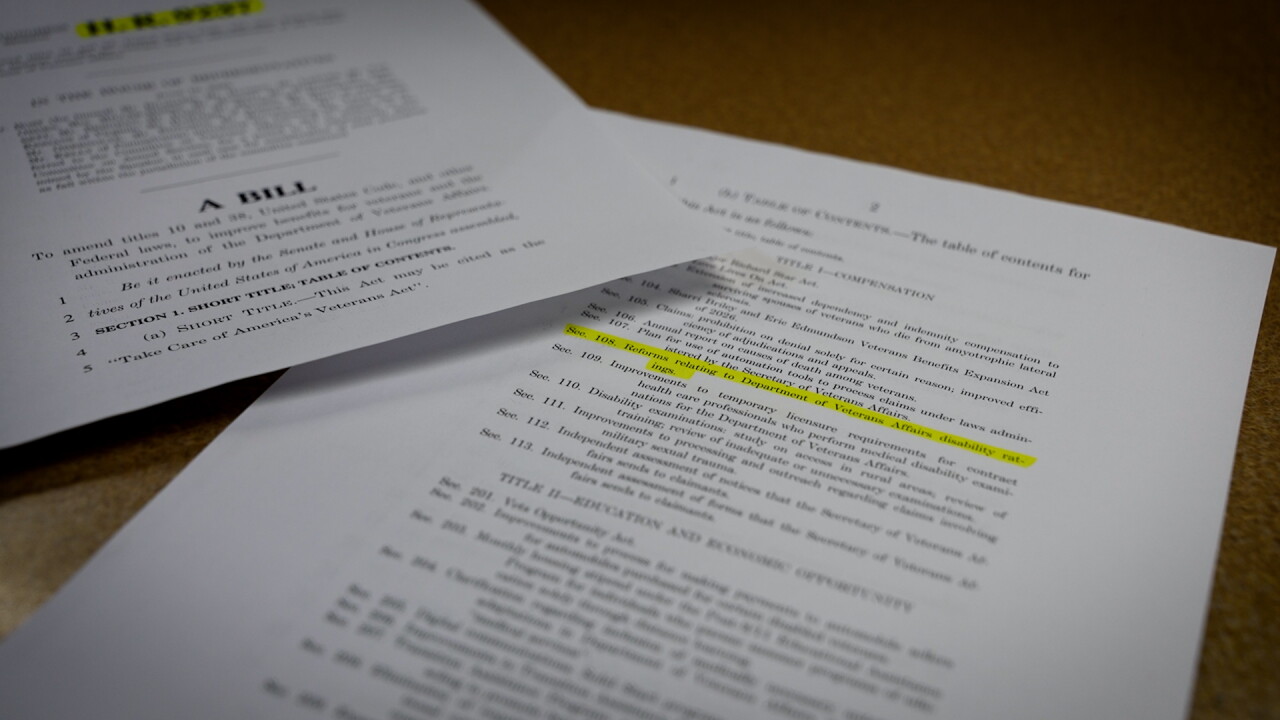


GREAT FALLS — The Take Care of America’s Veterans Act passed the U.S. House on Veterans Day. However, the sweeping benefits package is drawing opposition from the Veterans of Foreign Wars over how its improvements would be funded.
The committee’s summary outlines that the legislation includes expanded support for caregivers and surviving spouses, along with retirement pay relief for certain combat-injured veterans. The bill now moves to the Senate.
WATCH Madison Collier's report below:
Shannon Wilson, who represents Montana on the VFW’s National Legislative Committee, said the organization has advocated for many of the measures included in the package.
“The VFW believes that most of it is very well done,” Wilson said. “We've been supporting a lot of these different measures that were put into the Take Care of America's Veterans Act. Our big problem is having to pay for some of these programs by taking away from other veterans.”
She explained that at the center of the disagreement is Section 108, which would change how the Department of Veterans Affairs rates sleep apnea and tinnitus, or ringing in the ears. Those changes could reduce disability compensation for some future claimants, with projected savings helping finance expanded benefits.
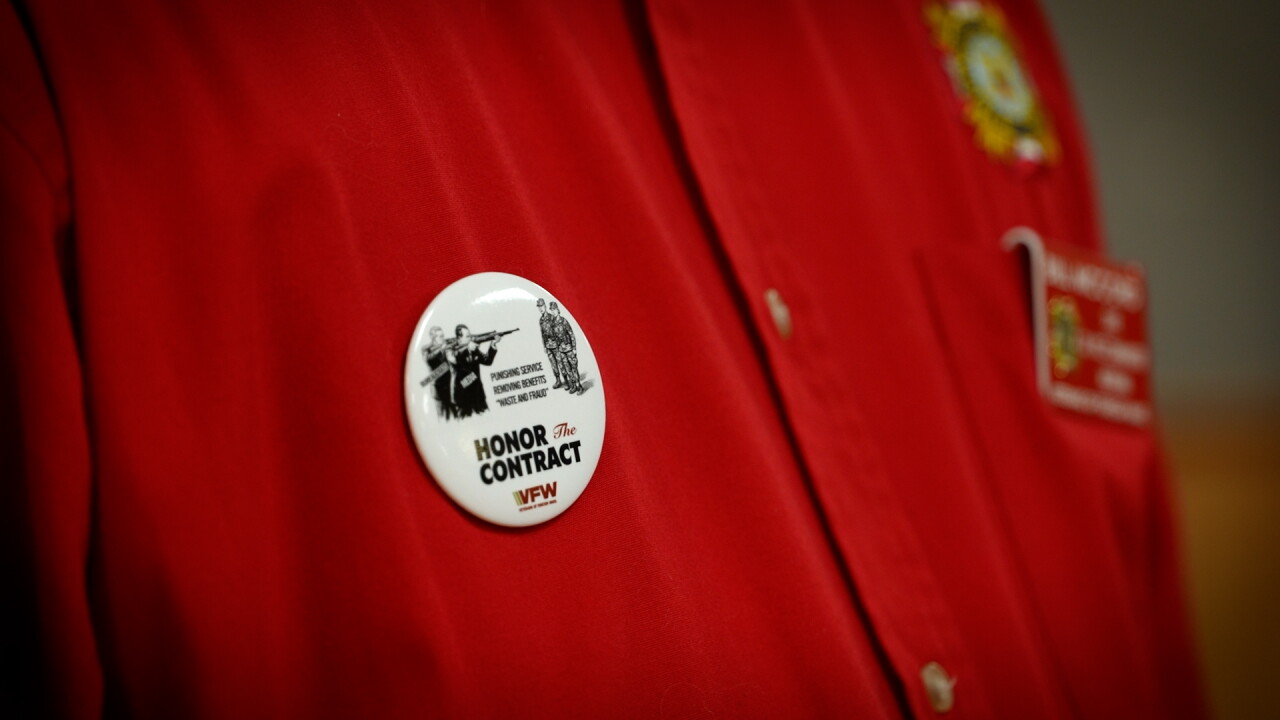
Wilson said the organization’s concerns extend beyond just one bill. The VFW also opposes putting disability rating changes into law to generate savings, arguing that approach could open the door to similar changes involving other veterans’ benefits.
Bill McCord, senior vice commander of the VFW Department of Montana, said the issue comes down to honoring the commitments made to people who serve.
“So we're just wanting our government to honor their side of the contract, take care of these veterans that have put their time, their energy, their lives on the line doing what they had to do that their government sent them to do,” McCord said.
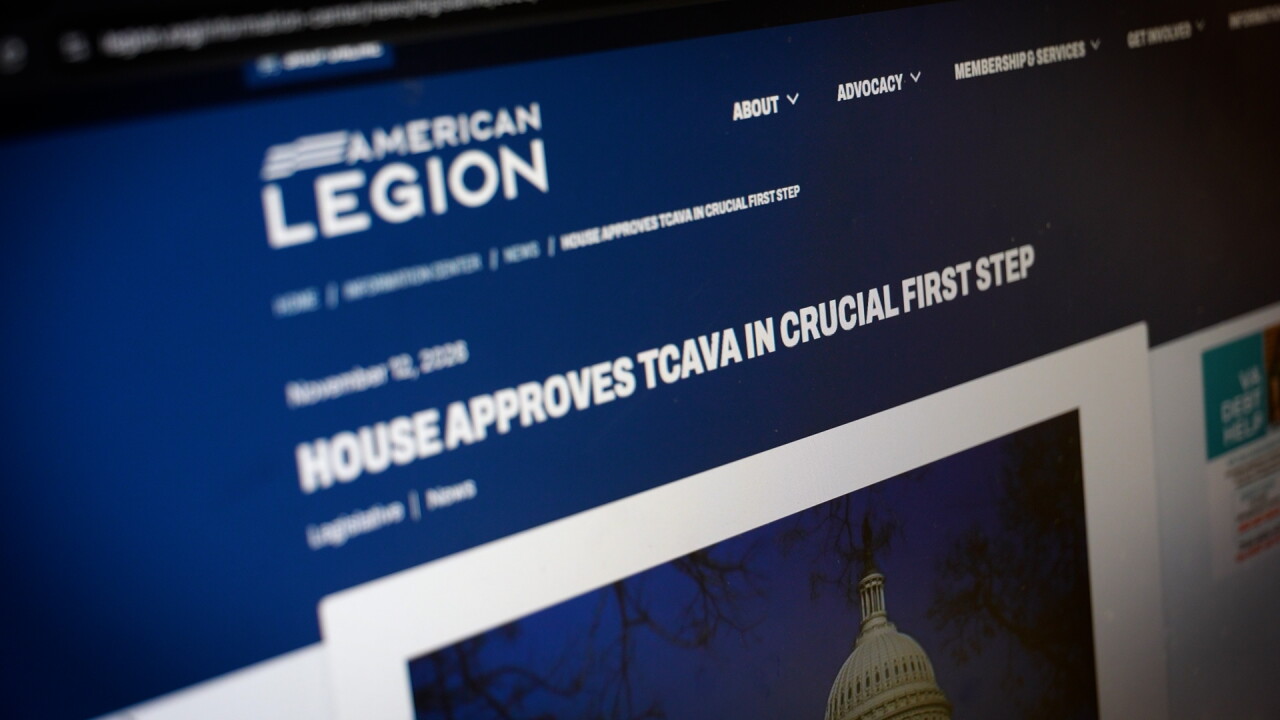
The funding approach has divided veterans organizations. The American Legion supports the package and called its House passage a “crucial first step” toward expanding veterans’ benefits.
“But this is just the first step. Now, begins the work to generate bipartisan support in the Senate and get TCAVA across the finish line,” National Commander Jay Bowen said in a statement on the organization’s website.
As the bill moves to the Senate, Wilson said she wants Montana Sens. Steve Daines and Tim Sheehy to seek the removal of Section 108.
“If they get rid of Section 108, it's a great bill,” she said.
The legislation still requires Senate approval and the president’s signature before becoming law.
