


HELENA — At the Montana Department of Natural Resources and Conservation's aviation hangar, pilots are taking flight as a part of the aerial supervision program, aiming to strengthen wildfire response across the state.
Watch the full story here:
“Helping the state of Montana, helping save property and lives, that's really our big job,” said Montana DNRC pilot Dave Bebich.
Starting this year, DNRC added another aircraft to its wildfire response efforts - one dedicated to supervising what’s going on down below, both in the air and on the ground.
“When you're up high, you get a good bird’s eye view of the fire, so you are able to give the incident commander eyes on intel to help manage that fire,” Bebich said.
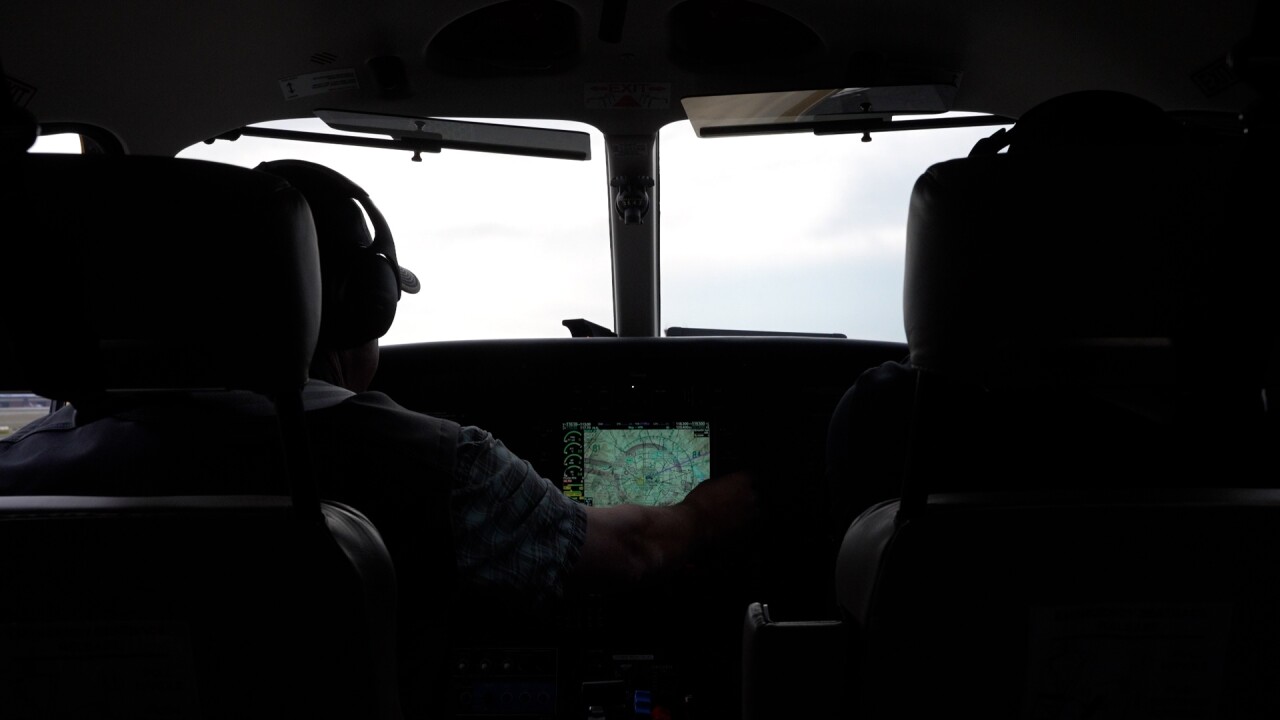
A pilot and a supervisor share a cockpit, working to keep air tankers, helicopters, and ground crews operating safely and efficiently.
Above a fire, the supervisor tracks aircraft altitudes, monitors the weather conditions, and helps create a plan that keeps everyone safely separated while still meeting the goals of the ground crews.
“It's quite chaos, right?” said Montana DNRC lead air supervisor Randy Okon, "and that's our job, is to make sense out of the chaos, to slow the pace down.”
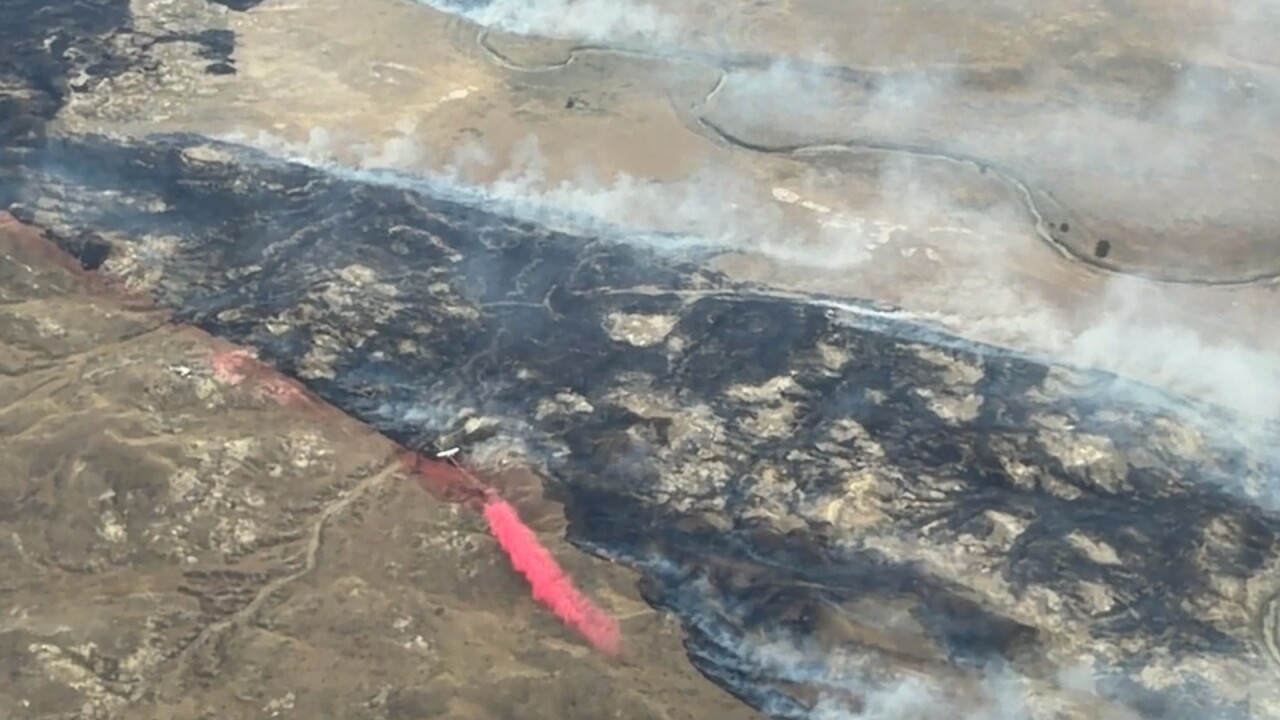
The crew stays tuned into multiple radio channels to help communicate and coordinate between different agencies and aircrafts.
“A lot of their radio traffic doesn’t necessarily reach them because of terrain,” Okon stated, “so an incoming air tanker, they might not be able to hear them because they’re really low in a dip.”
The program’s first operational mission was July 3, and with three pilots now trained for aerial supervision, crews say their focus remains the same.

“Our primary three things are safe, effective, and efficient,” Okon said, “and that's what I look at, and so that provides that effective, efficient, safe atmosphere.”
Even though it's the first year, officials say they look forward to the future of the program and are ready on standby for any fires that spark the rest of the season.
