



HAMILTON — Two weeks ago, the City of Hamilton issued a water advisory since forever chemicals were found above the minimum reporting level in one of their wells.
"It's groundwater contamination somewhere up-gradient of the well. Most likely it was a firefighting incident that used firefighting foam anywhere between the 80s and early 2000s," Donny Ramer, director of Public Works, told MTN.
Watch full story:
The City of Hamilton is served by seven wells. Testing those for contaminants is required and funded by the Department of Environmental Quality.
"A minimum reporting level which is the minimum amount a lab can reliably detect. And then there's a maximum contaminant level which is water that above that you can't legally serve," Ramer said. "It's a very small gap. The minimum reporting level is two parts per trillion and the maximum contaminant level is four parts per trillion."
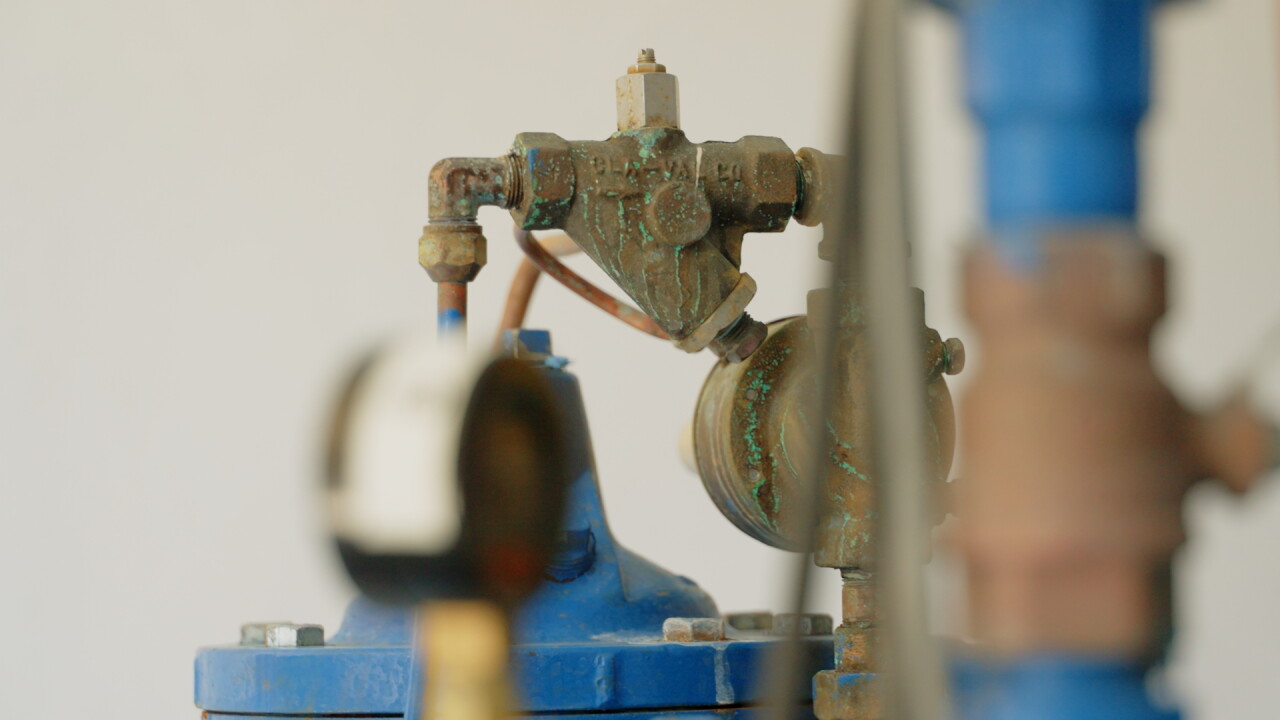
Well six sits on the North end of the city.
"If this well is running, the businesses and places along Highway 93 are probably getting water from this well," Ramer said.
While there are chemicals in the water, Ramer says amounts are low.
"PFAS chemicals that were found in well six are below the maximum contaminant level, but above the minimum reporting level," Ramer stated.
"It’s diluted in the system with the water from the other wells that did not test above the minimum reporting level," Ramer said.
The City of Hamilton is monitoring the well.
"If we exceed the maximum contaminant level the well will get shut off," Ramer said.
Additionally, usage of the well is being ramped down.
"Now, that irrigation demand has started to go down, it probably won't run most of the winter. This will be the very last well in our rotation and we may even be able to get through some irrigation season without it running," Ramer explained.
The city is looking at long-term solutions like treating the water or building a new well entirely.
"There's some grants available to do testing. Look at whether treatment is financially viable. Go look for other sites to drill a new well. There’ll be permitting through the Department of Environmental Quality, water rights permitting, that will need to be done. Land acquisition most likely if we can't find a place on existing city [land]," Ramer detailed.
For those with private wells interested in testing for contaminants, information is available here.
