

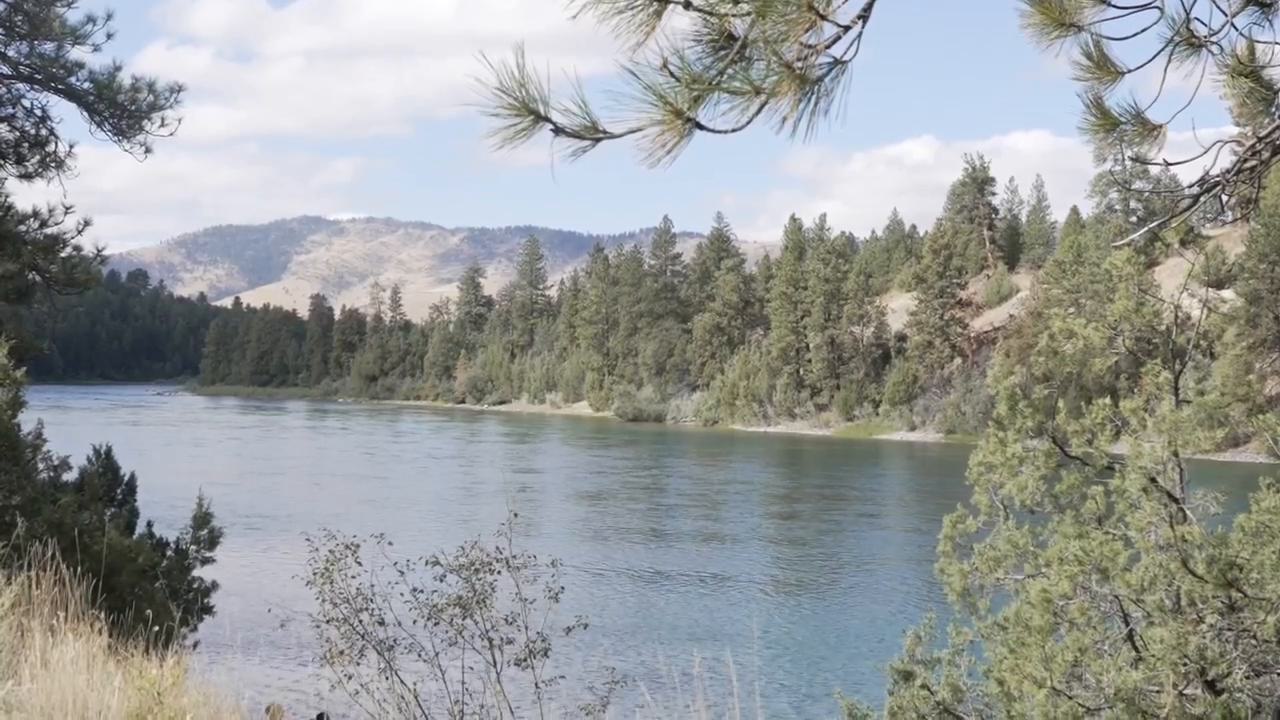


FLATHEAD RESERVATION, Mt. — Tribal and government leaders from Alaska to Canada gathered Wednesday for the fifth annual Indigenous-led Transboundary Mining Conference to address mining operations impacting waterways along the U.S.-Canada border.
Gary Aitken Jr., vice chairman of the Kootenai Tribe of Idaho, was among several tribal leaders who came together to spearhead solutions for mining operations affecting tribal lands and waterways.
"The effects are very long-lasting compared to what they're getting out of it," Aitken said.
"There's a chance these contaminants can outlive the mines," Aitken said.
Rich Janssen, CSKT Natural Resources Department head, pointed to Lake Koocanusa as a prime example of contaminants entering waterways, saying differing water quality standards between Canada and Montana have contributed to the problem.
"What we're seeing today is the continued impacts of the Selenium Coal Mine, which is in Fernie, British Columbia – just north of Libby Dam," Janssen said.
"It really affects the people in Montana and here in the U.S. – the fish we eat, the fish we catch. We have to hold these mining companies accountable for what they put into the water," Janssen said.
More than 150 leaders gathered at the conference to discuss transboundary impacts affecting their waters and potential solutions. The CSKT tribe owns 90% of the lower Flathead River and has won the biggest water rights settlement in history.
"We've done some great restoration work to bring back our bull trout and westslope cutthroat, and these are clean fish. People are noticing that," Janssen said.
Leaders say the first step is holding mining companies accountable.
"I don't think our tribe – or tribes – are against mining. You can mine, but we're against mining that doesn't do what they need to do to keep the waters clean," Janssen said.
"Everyone should live up to their responsibilities. There's enough to go around that we all can coexist in the proper way. Water is life," Aitken Jr. said.
