



PABLO — A housing shortage and desire to end homelessness on the Flathead Reservation have inspired a new pilot program.
This summer, a partnership between Salish Kootenai College, CSKT and their Homelessness Task Force, and the Tiwahe Initiative had participants fixing up homes to build life skills and increase the housing supply for those in need.
WATCH HERE:
"Everything that we work together on or work with anybody on is a person-centered approach," Tiwahe Initiative Program Manager Selina Kenmille said.
Resolution 21-087 was adopted by the Confederated Salish and Kootenai Tribes in 2021 to end homelessness on the reservation.
"We have a day labor program and the workforce enhancement program, and then the other part of Tiwahe is the housing scholarship. I have somebody who is going to teach people how to cook, and it's all the aspects of living. It's having one heart to help our people to have a little bit more hope. Everything that we do is building into something else," Kenmille explained.

For a month, 12 individuals looking to better themselves took part in the first Building Trades Pilot Program where they earned continuing education credits and meaningful experience.
"We got a hold of SKC and said, 'Hey, we've got a possible program,' and they said, 'We have an instructor. We just need some projects." And so then we talked with lands and we got some project properties and provided that, so then it turns into working towards our housing, our unhoused people," Kenmille shared about starting the project.
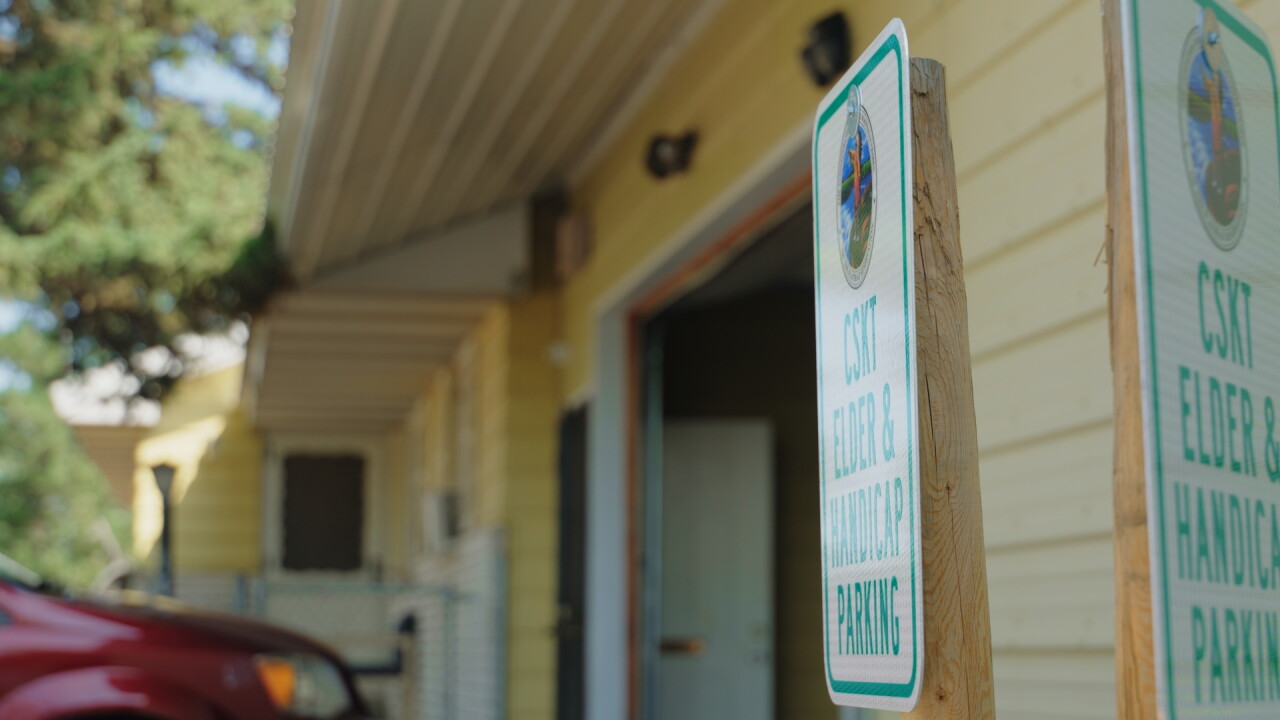
The main goal of the project was to renovate a tribally owned property that had been boarded up in Pablo.
"Try to develop it to house five to seven individuals who are totally engaged in recovery and in workforce enhancement," CSKT Homelessness Task Force Coordinator Teresa Wall McDonald said.
5 new bedrooms were constructed, and the home will serve people in need who are involved with the program.
"The extreme in-migration of population to the reservation, it has put a strain on existing SKHA (Salish Kootenai Housing Authority) housing resources; it's put a strain on everybody. So, this is part of a strategy to identify and utilize the resources we have," Wall McDonald explained.
While giving people practical skills, a roof over their heads, and community support, the program coordinators hope these wraparound services can address both the housing need and wellness of people on the reservation.
"What we're working on together is keeping our people afloat and giving them the opportunity and the tools that they need to start, you know, living life again in a good way," Kenmille said.
