

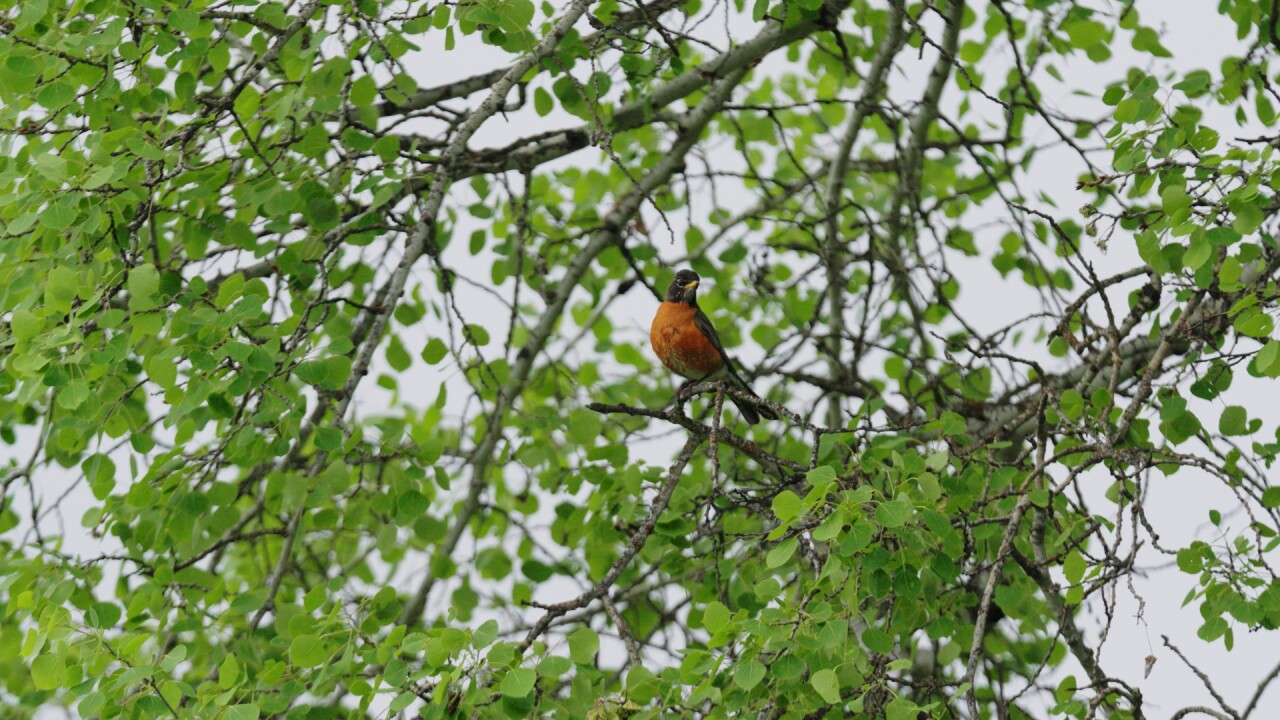


MISSOULA — It is a major milestone for a Missoula-based nonprofit as Five Valleys Audubon Society turns 50 this year.
The organization is much more than a birding group, making a real impact on wildlife conservation in Missoula County and beyond.
"Birds more fundamentally are something else. They are an indicator of how life is going. And so go the birds, so go all forms of life, and you can argue even humans," Five Valleys Audubon Society founding member Jim Brown said.
Missoula’s birding club began in 1905, but World War II interrupted its activities.
In 1976, Audubon chapters began forming across the country.
"We began and our mission has been the same ever since then. It's a twofold effort to make people happy and enjoy birds and to try and protect their homes," Brown said.
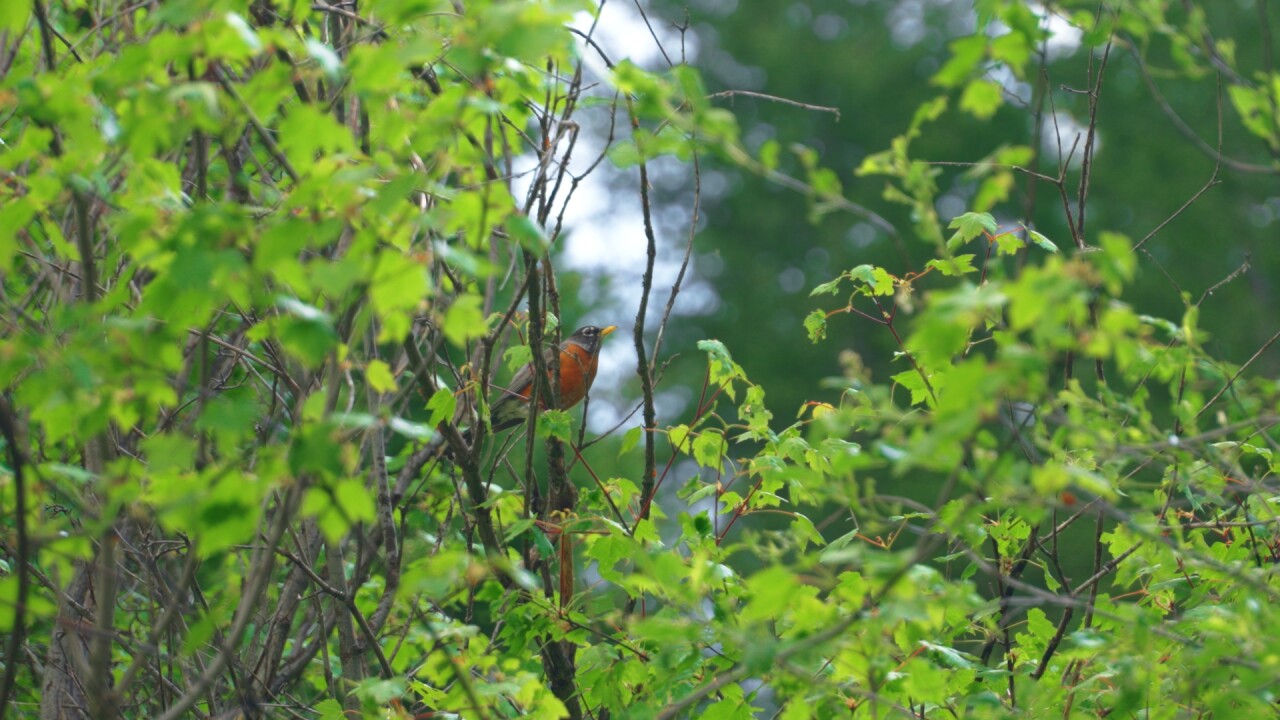
For five decades, Five Valleys Audubon Society has been getting Missoulians interested in their winged neighbors.
"We have our newsletter. We have monthly meetings. We have field trips. We have people that come in and talk about research that they're doing. Sometimes then we do bird surveys," Five Valleys Audubon Society President Rose Leach told MTN.
WATCH THE FULL STORY HERE:
The organization also works to protect habitats by partnering with landowners to create the Clark Fork River Grass Valley Important Bird Area.
"It runs from about right here on the Bitterroot River to almost Huson. It's about 22 miles and it's about 80% private land," Brown said.
Missoula County invited the group to share input on new development in the valley.
"There's a lot more habitat encroachment due to expanding populations. We've reviewed something like 120 subdivision proposals over the last 15 years," Brown said.
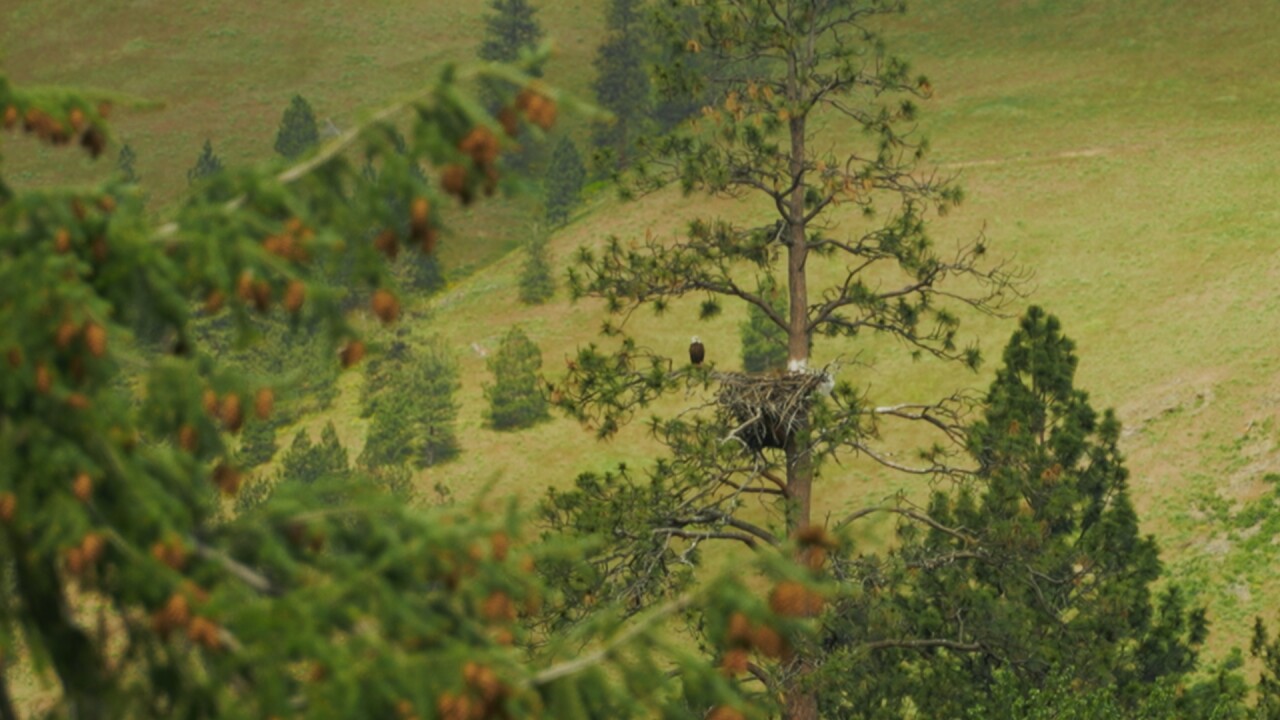
Their most recent undertaking involves working with the city to manage ponds near Fort Missoula.
"The water that's come into this gravel pit has been used by migrant birds that are fairly unusual. They see this as something really important," Brown said.
As for the next 50 years, the society plans to stay active as a voice for the birds.
"If you don't have habitat, you're not going to have birds to look at and enjoy," Leach said.
