

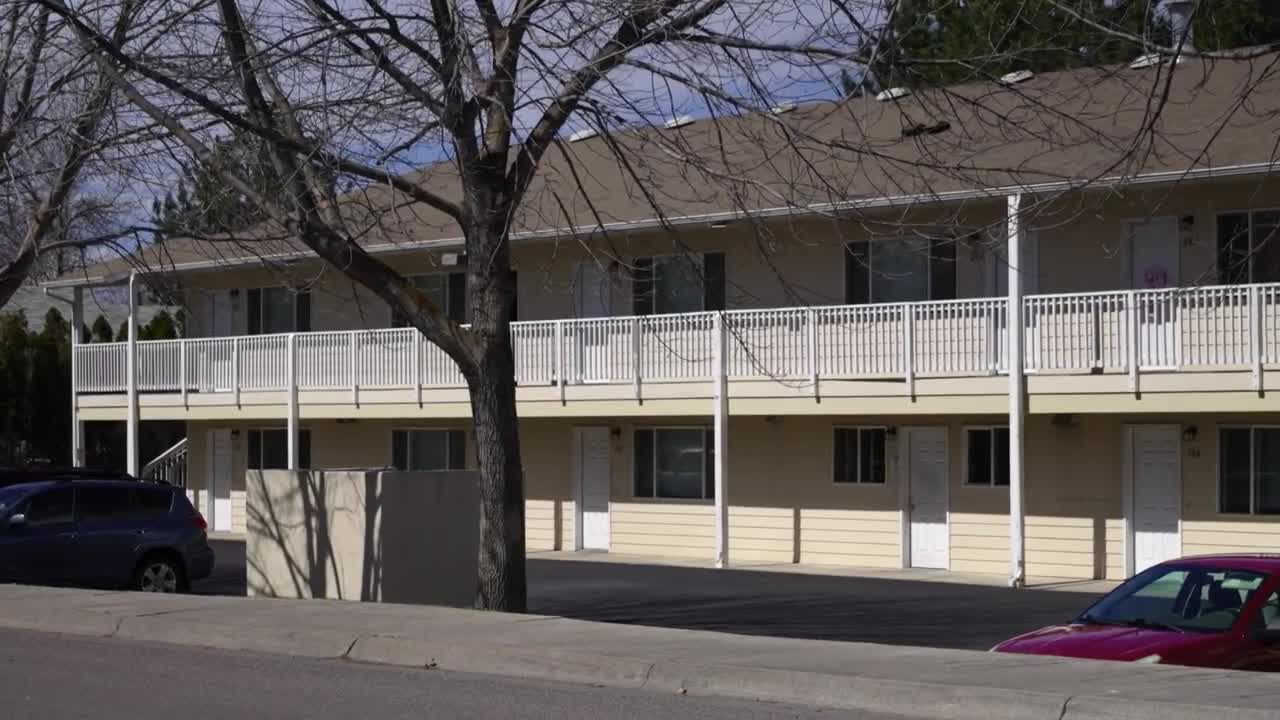


MISSOULA — Missoula has been in a housing crisis for years now, if not decades. To address the crisis, officials are working to increase the housing supply.
For the city, that means developing city-owned land while the county is moving to allow tax-increment financing for housing developments.
“I would hope that the housing becomes more affordable, that whoever sees this thinks about the young people getting out of college. That they'll be able to afford a place to live without having to leave and move out of state like I did. I would have never left if I could have made a living here,” Nancy King, a Missoula resident, said.
King had to leave Missoula in her 20s because she couldn’t afford to live here, and her story isn’t unique.
Housing experts and local data show the greater Missoula area has faced an affordability crisis for decades now.
“I watched teachers leave the state, basketball coaches leave the state. Businesses went down, and there was nothing. I cleaned houses. I couldn't make it. I couldn't make it,” King said.
The Missoula Organization of Realtors says the current average rent in the city runs nearly $1,400 a month.
But, according to HUD and the Downtown Missoula Partnership, the median household income in Missoula is only roughly $76,000.
With the knowledge that housing is seeming to become more and more out of reach for Missoula residents, the county is looking at trying to increase the stock of housing.
The Missoula County Commissioners approved the county’s workforce housing policy last Thursday, now allowing tax-increment-finance (TIF) mechanisms to be used to help develop infrastructure for new developments.
Before voting to approve the policy, Commissioner Josh Slotnick said, “Having them set up these guardrails on size and density and finishes make a lot more sense. I think it's a really good way to go, and I think it will work over time, as well, even as our economy changes.
Houses that are built in this way will always be on the lower end of value compared to those that are much larger, on much larger lots, and have higher quality finishes.”
Under the policy, TIF funds cannot be used for luxury homes.
And the adoption of the policy is just another step for the county, as it largely goes alongside it’s 50 year development plan for the Wye.
