

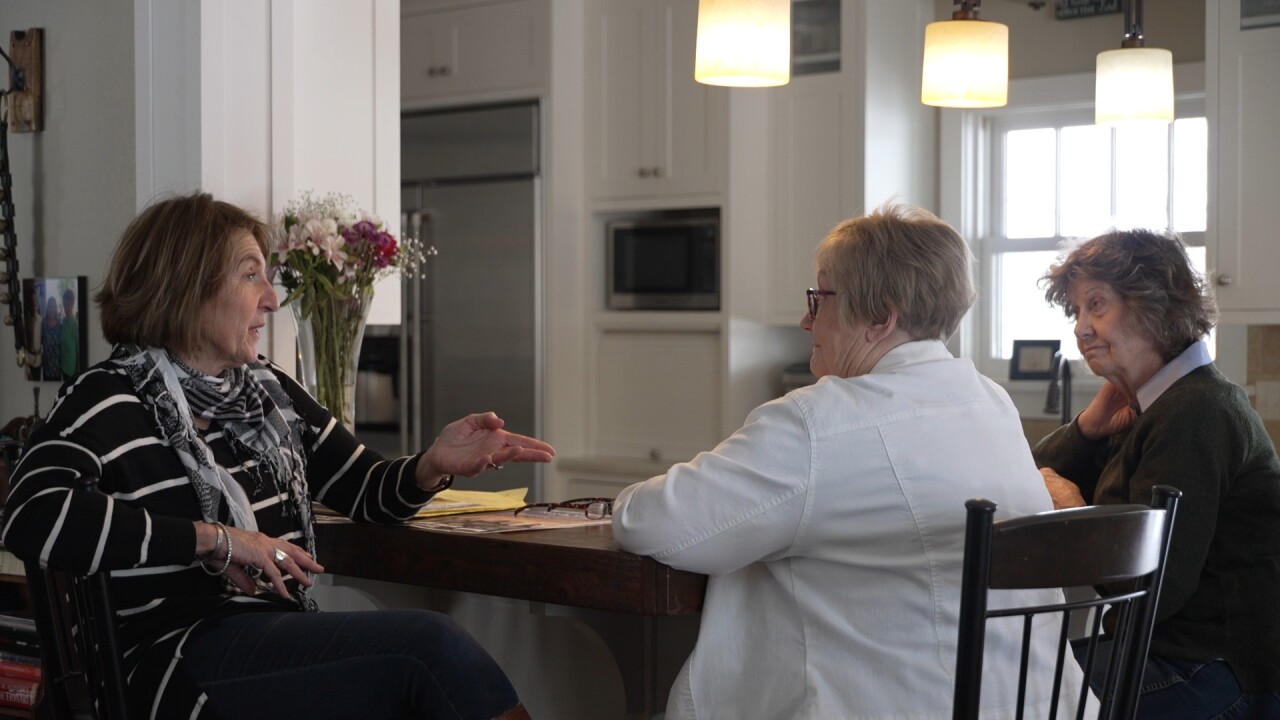

BILLINGS — Farmers and ranchers in Montana face disproportionate suicide rates, a troubling reality that one local group is now working to confront through conversation and community support.
For generations, toughness has defined life in agriculture, but that resilience can come at a cost. According to the Centers for Disease Control and Prevention, farmers and ranchers face depression and suicide rates roughly three times higher than the general population, a disparity many in the industry say is driven by isolation, financial uncertainty, and the unrelenting demands of the job.
Watch the story below:
For the Tibbetts family, ranching was a way of life for more than 50 years in Prairie County.
"Well, it was a good living," Ron Tibbetts said. "There was always something, a challenge ahead of you every day."
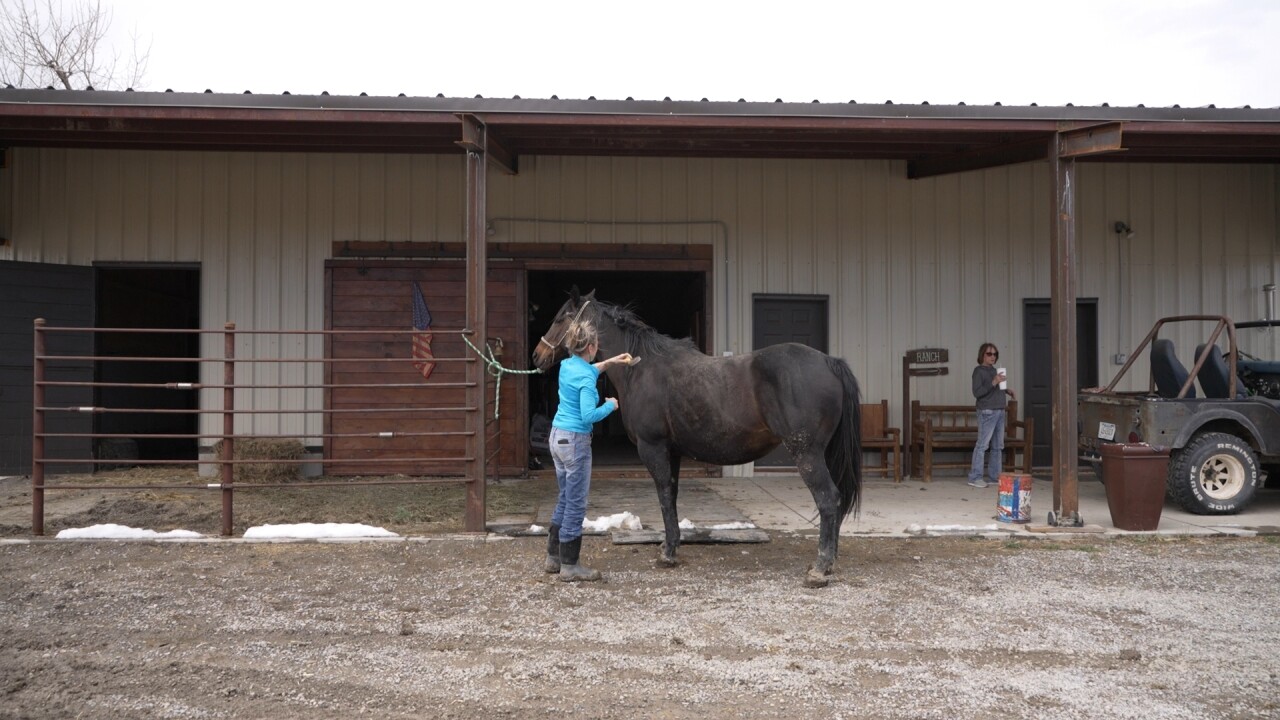
Today, the family's property west of Billings is smaller, but the pressures that come with agricultural work remain familiar. Tibbetts recalls long days in extreme conditions, where responsibilities never paused.
"Regardless if it was 40 above or 40 below, those chores always had to be done," he said. "That livestock, you know, depended on us to take care of it because that was our livelihood."
That constant responsibility, combined with unpredictable weather and rising costs, can take a toll.
"I wouldn't say it's a tough life, but there's so many variables that you have to be prepared for," said Ron. "Otherwise, it's going to possibly definitely hit you financially and somewhat emotionally.”
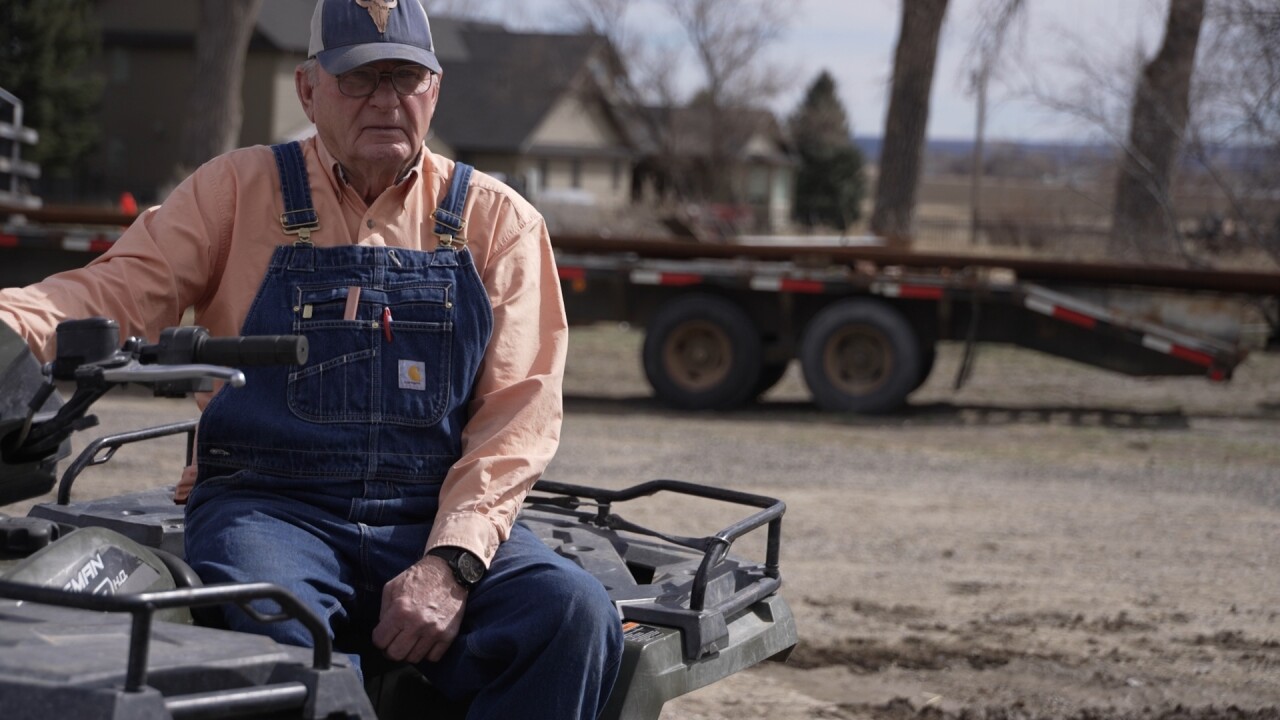
His daughter, Lana, said the work builds resilience, but that same mindset can also make it harder for people to acknowledge when they are struggling.
"Even if you're doing crappy jobs that you don't really enjoy, they just have to be done, and somebody has to do them," she said. "I think it develops a tenacity that only the land can develop in a person.”
Ranchers say that culture of self-reliance is one reason issues like depression often go unspoken in agricultural communities.
"Montana, we're good stewards of land and stewards of livestock, but sometimes we forget about stewarding ourselves," said Maggie Howley, president of Montana Agri-Women. "We're just trying to be everywhere and helping people, and we want to and do in our communities, but then we kinda weaken ourselves."
That concern is driving this Saturday's Montana Agri-Women annual meeting in Billings, themed "Steady Minds in Open Skies." The event will feature a panel discussion focused on mental health, suicide prevention, and resources available to rural communities.
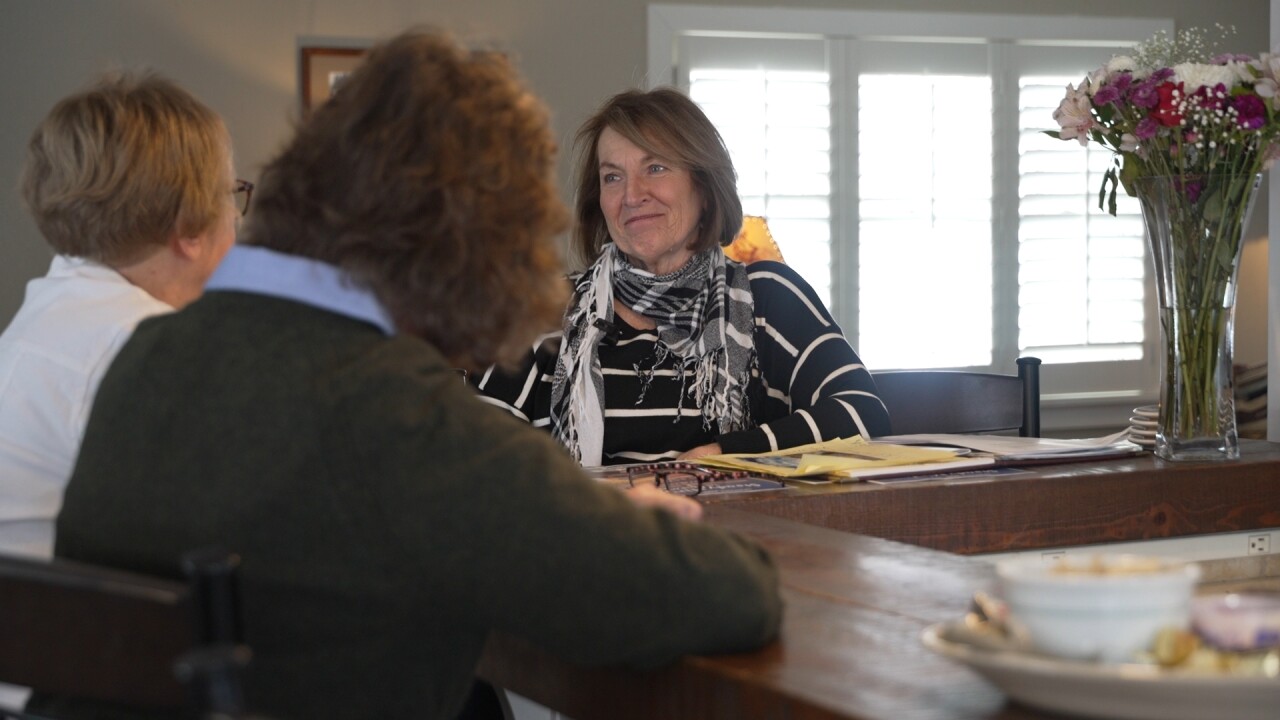
Howley said one goal is to help people recognize warning signs and feel more comfortable starting conversations.
"Sometimes when it's in our community, we're just like, we just don't have any tools, and that's really what we want to do," she said.
Montana Agri-Women, a grassroots organization comprising approximately 45 members statewide, advocates for agricultural issues and policies. This year, members decided to prioritize mental health and fraud.
Experts say the issue is complex, with multiple contributing factors. Patty Yoder, a psychiatric nurse with the National Alliance on Mental Illness in Billings, said geography and environment can play a role, along with access to lethal means and limited mental health services.
"We're up north, not enough sun. Absolutely causes higher suicide rate. Guns, big one, and Montanans are not going to give up their guns, but guns is a big deal," said Yoder. "The other is access to providers. Very hard for people here in Billings, let alone people in rural Montana, to be connected with a provider."
Watch Billings Clinic Psychiatrist Dr. Russell Ollerton discuss ranch life and mental health:
In many cases, isolation is one of the biggest challenges. Farmers and ranchers often work alone from early morning to late at night, sometimes miles from the nearest neighbor.
"A lot of people live like 60 or 70 miles, and then you're there, and you're dealing with all this weather elements, financial elements, or whatever the situation is, it's not like you have this group of people around you that are going to cheerlead you," said Lana. "Then you just get consumed by your work."
That isolation, combined with the pressure to keep operations running no matter the circumstances, can leave little room to seek help. Still, organizers said that even small steps, such as starting a conversation, can make a difference, and education and outreach can help families and communities better recognize when someone may be at risk.
"People do better when they have support. It's really hard to have a mental illness, and you're doing it alone," said Yoder. "That's what we always say, if we talk to one person about mental health, then we've done what we set out to do."
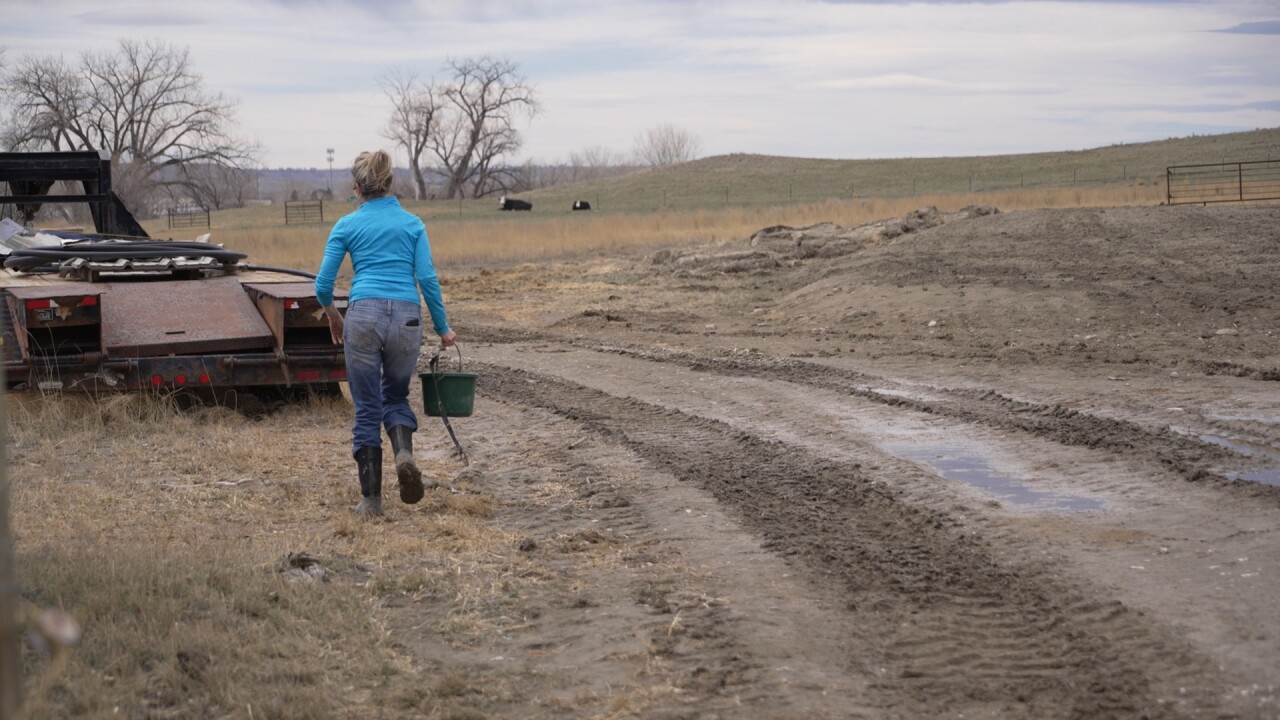
In a profession built on looking out for the land and livestock, looking out for one another may be just as important. For the Tibbettses, despite not experiencing the struggles themselves, awareness can make all the difference.
"Don't dwell on the past. The mistakes you make, the hardships, and stuff. Look forward and look at something for the best and work towards that," said Ron. "Because the past is nothing you can change. It's the future that you should be concerned about."
"I do think that sometimes a person doesn't understand because you look at those people and it looks like life is fine, and then but it might not really be," added Lana. "No one should ever assume that their neighbor is fine, because they don't really know until you have a discussion with them."
Related: Billings Suicide Prevention Coalition finds new way to raise awareness for 988 crisis line
