

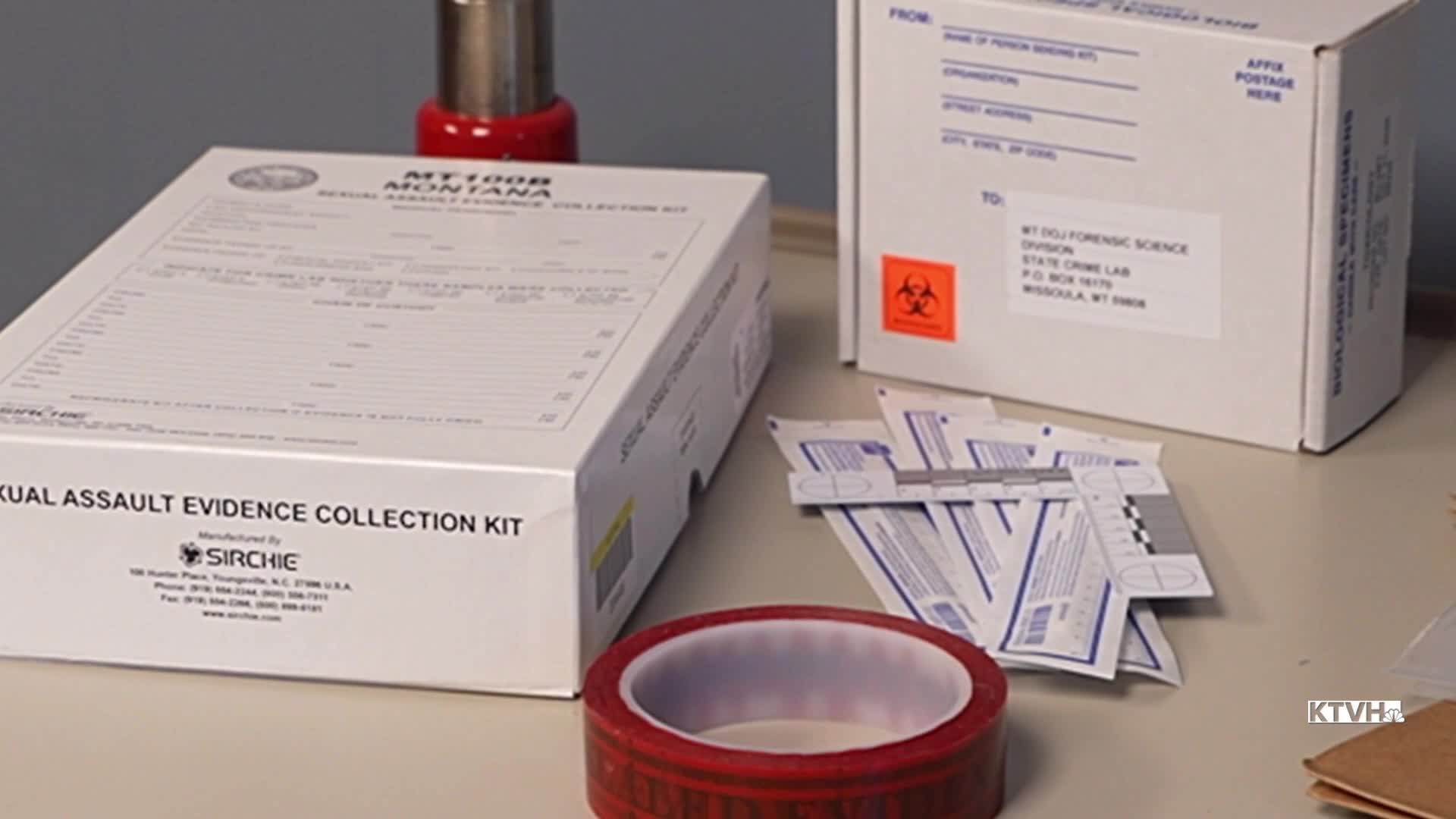


HELENA — The Montana Department of Justice is bringing law enforcement and prosecutors together this week for specialized training focused on improving how agencies respond to and investigate sexual assault cases. The training is an effort to strengthen communication between law enforcement, prosecutors, and advocates as well as build stronger cases and better support survivors throughout the legal process.
“This is a problem that is real, it is happening in our communities. You know someone impacted by sexual violence,” Hope Stockwell, the sexual assault response network coordinator for the DOJ, shared.
To put it into perspective, in Montana, one in three women, one in two Native women, and one in six men will experience sexual assault in their lifetime.
Attorney General Austin Knudsen noted, “These are some of the most difficult cases that law enforcement and prosecutors deal with. The legal landscape is always changing, and the criminal investigation landscape is always changing with new tools and new techniques.”
That constant evolution, combined with the challenges of serving a largely rural state, is exactly why organizers say a training like this is so important.
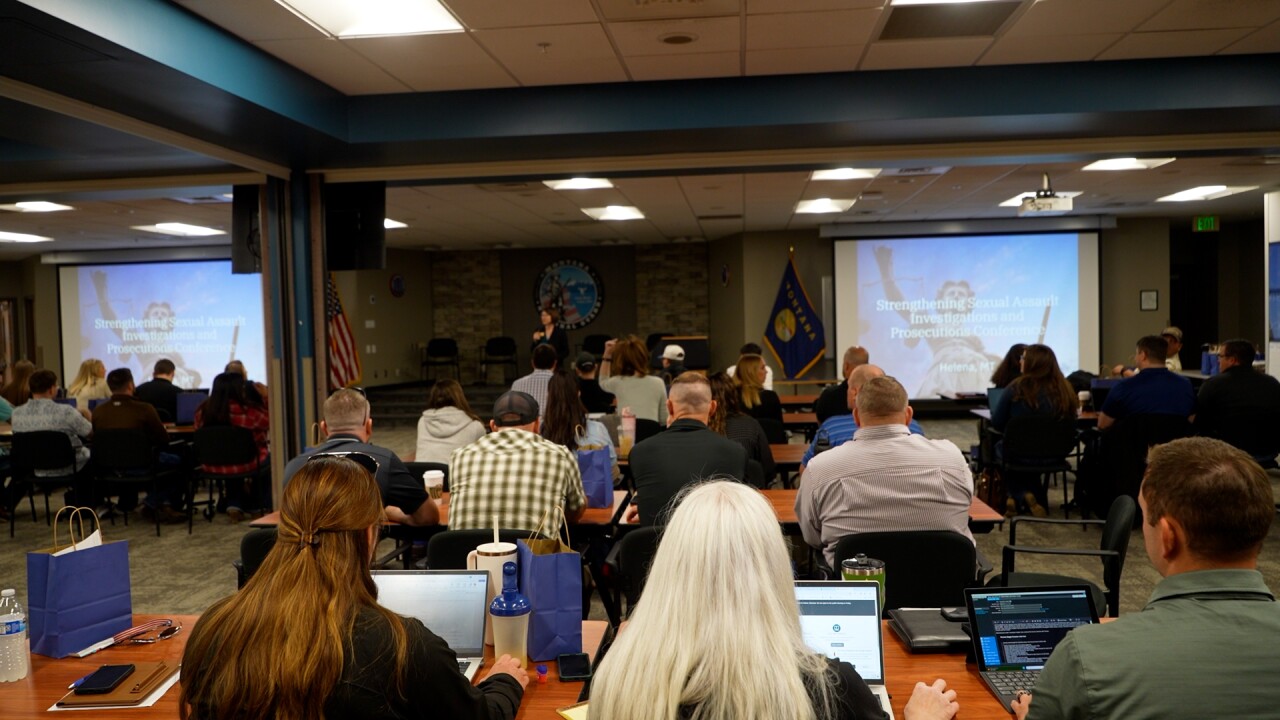
More than 100 law enforcement officers and prosecutors came together to learn new strategies and strengthen collaboration across agencies.
“Sexual assault, for the most part, is a pretty similar crime in the essence of where and when it happens, the elements of the crime, but what really dictates the response are the resources that are available,” DCI investigations bureau chief Derek Mahlum said.
The training covers everything from interviewing techniques and improving documentation for county attorneys to building courtroom skills and handling different types of evidence.
Mahlum expressed, “What we can do better in the state is just what we are doing now, bringing the resources together, talking about collaboration, and frankly, law enforcement, one of the biggest things we need out in the field is that continued education.”
Organizers also say the work goes far beyond this two-day conference. Over the past two years, the program has expanded to include forensic nursing training, while victim advocates continue working to bridge the gaps between a survivor’s healthcare experience and the legal process that follows.
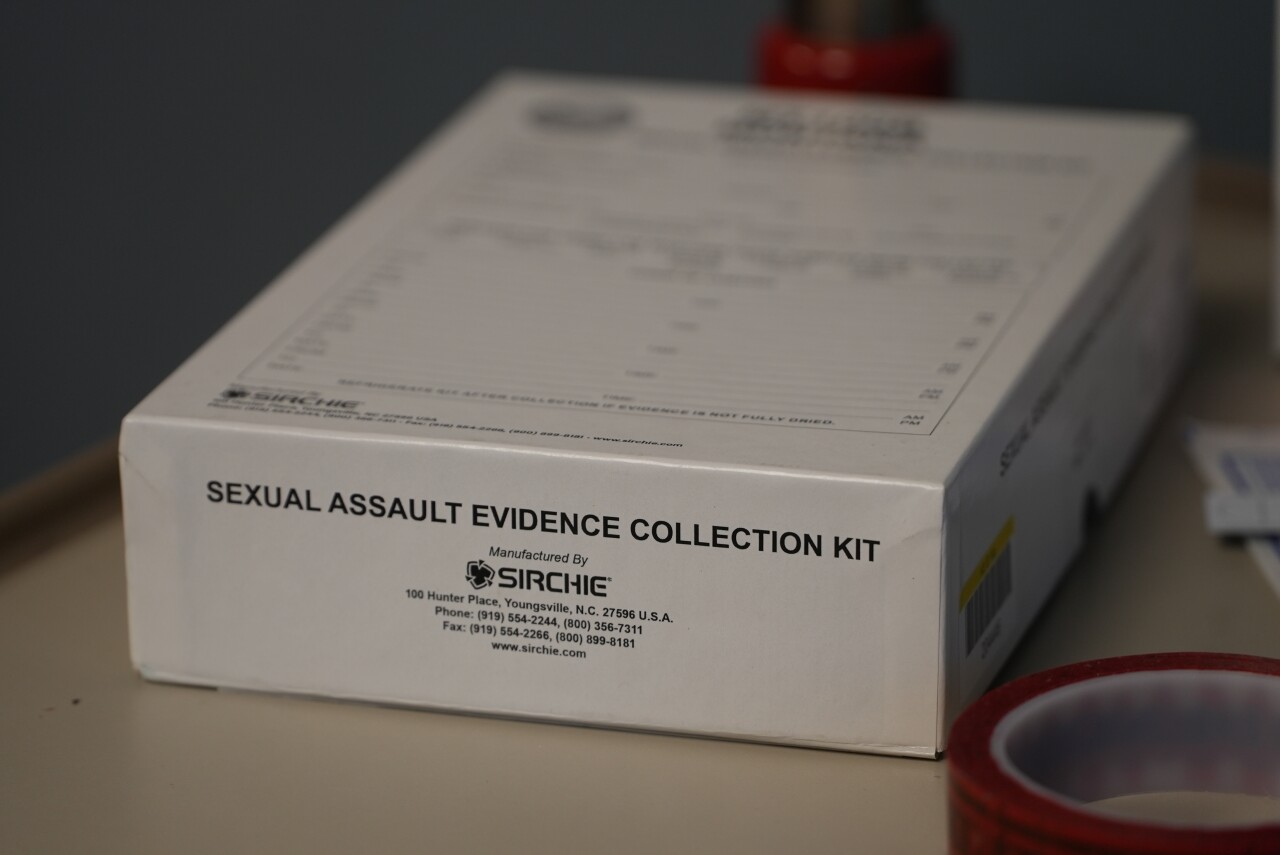
“For everybody involved in these roles in a professional capacity, we have to be humans too, meeting survivors where they are across the board. Sometimes that is a good day, sometimes that is a bad day, and sometimes it is just listening and being that quiet support,” Meghan Paddock, the prosecutions services bureau assistant attorney general, shared.
Organizers say the biggest goal behind these trainings is making sure survivors feel supported every step of the way.
Stockwell shared, “Doing the best we can to support everyone in their recovery journey, whatever that looks like for them, that’s the goal.”
