


BILLINGS — A new report highlighting aging roads and bridges across Montana is raising concerns in Billings, but transportation leaders say long-term investments and infrastructure projects are already underway to address the problem.
Watch the story below:
The report from national transportation research group TRIP found seven bridges in the Billings area are in poor condition, while another 186 are rated fair. Statewide, nearly one-third of Montana’s major roads are considered in poor condition, and 7% of bridges are classified as structurally deficient.
The report did not identify the specific bridges in Billings.
For residents like Alisha Oster, who works at a gas station near the Blue Creek bridge that spans the Yellowstone River, concerns about aging infrastructure feel personal. She said crossing the bridge can feel unsettling, especially when large trucks pass through.
“When you go across it, it sounds like it’s cracking sometimes,” Oster said. “It just sometimes makes me feel like I'm just going to fall.”

Crews rehabilitated the Blue Creek bridge in 2024, but Oster said the report heightened concerns about other bridges in the Billings area.
“So it is concerning, not just this bridge, but like all the other bridges around Billings,” she said. "What happens if the bridge does cave in?"
Transportation leaders said the report's findings were expected and reflect challenges the state has already been working to address.
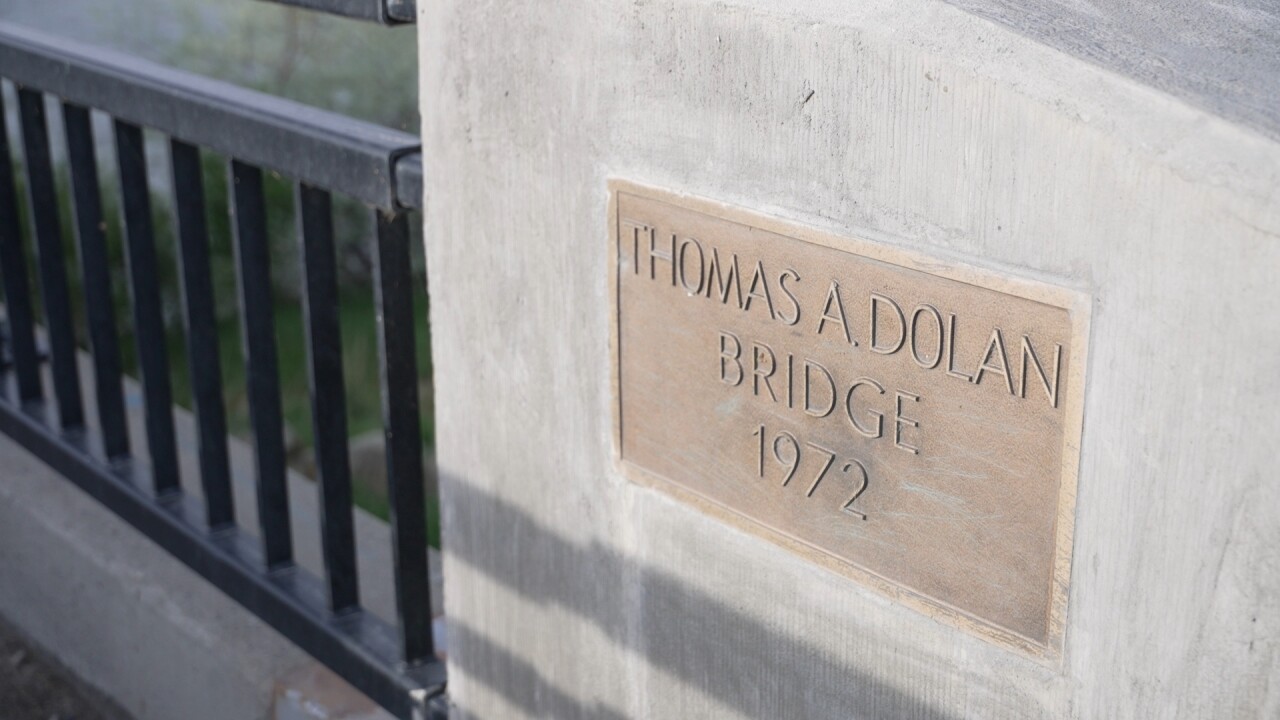
“We’re well aware that it was going to come out,” Montana Department of Transportation Director Chris Dorrington said. “The results are not surprising. Some of Montana’s roads and bridges need attention.”
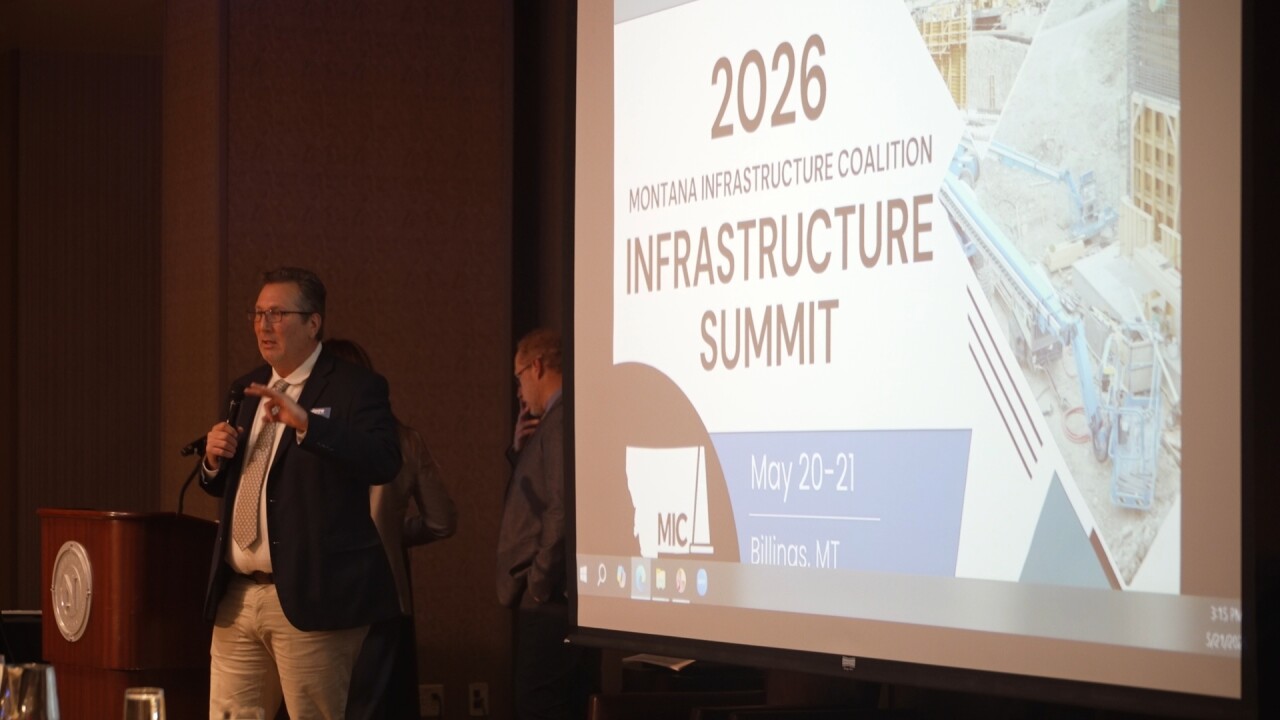
On Thursday, transportation officials, contractors, and local leaders gathered at the Northern Hotel in downtown Billings for the 2026 Infrastructure Summit, where discussions focused on long-term transportation and infrastructure needs across the state.
Dorrington said the summit brought together stakeholders from transportation, water, and wastewater systems, local governments, and private industry.
“We all came together … all interested in trying to do the very best of what we can for Montana’s transportation system,” Dorrington said.
David Smith, executive director of the Montana Contractors Association and chair of the Montana Infrastructure Coalition, said many rural and county-owned bridges across Montana are decades old and in need of repair or replacement.
“We have a lot of off-system bridges, which are county bridges that are in old shape,” Smith said. “They’re 70, 80, 90 years old, so they need attention.”
Dorrington said MDT monitors thousands of bridges statewide through a rotating inspection schedule and has already developed long-term investment plans to address deteriorating infrastructure.
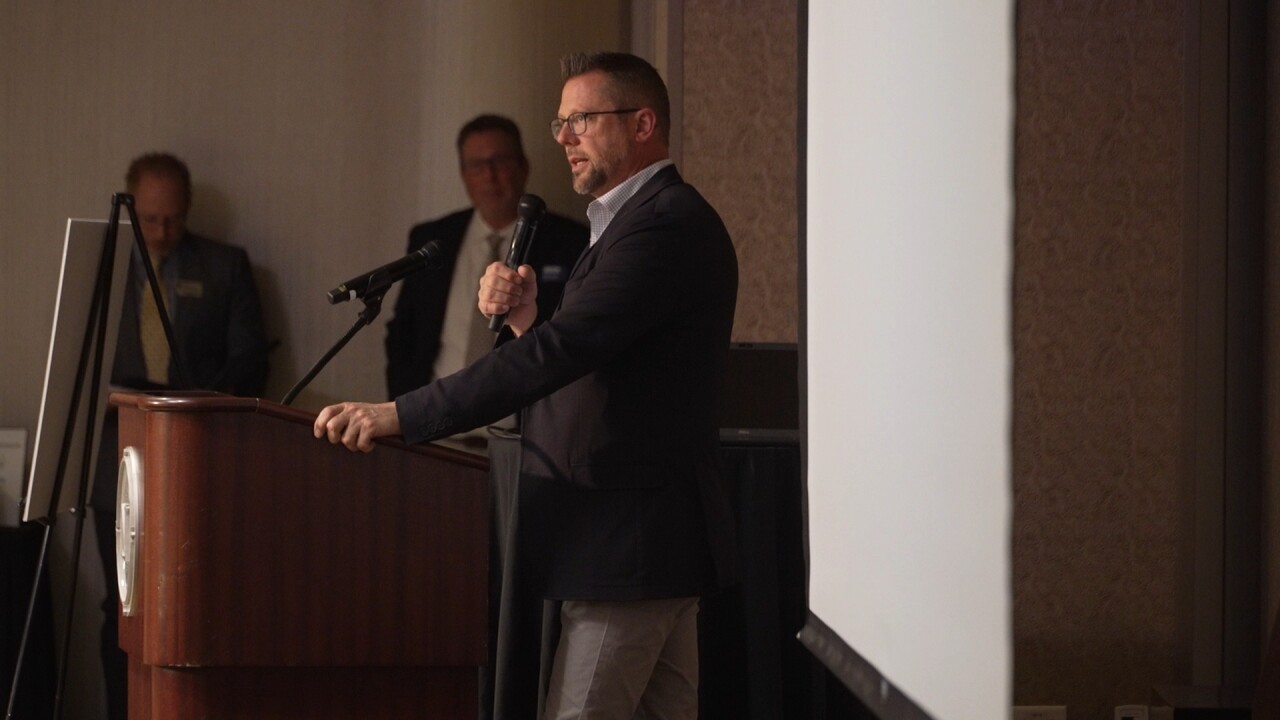
“In Montana, out of 5,000 (bridges), we have a lot that are going to need to be rebuilt, in addition to being maintained,” Dorrington said. “We look at the report as an indicator."
He said the state plans to invest $1 billion into bridge projects over the next five years, including repairs or replacements for roughly 40 bridges annually.
Still, officials acknowledged that inflation and rising construction costs continue stretching transportation dollars thinner.
“We still receive about the same amount of fuel tax revenues, and cars are more efficient,” Smith said. “So the income level for the state has been pretty flat through the years, but the cost of construction has greatly increased.”
The TRIP report warned that delaying repairs only increases long-term costs. According to the report, every dollar of deferred road and bridge maintenance can lead to an additional $4 to $5 in future repair costs.
Despite the challenges, officials pointed to major projects already completed in Billings as evidence that infrastructure investments are improving safety and capacity. Smith highlighted the recently completed $72 million Yellowstone River bridge replacement on Interstate 90.
“It increased the safety and the capacity for the interstate through Billings,” Smith said. “It’s been a great project, but it’s not cheap.”
Leaders at the summit also discussed future transportation projects, including planned improvements to the Johnson Lane interchange in Lockwood, which is expected to become a diverging diamond interchange.
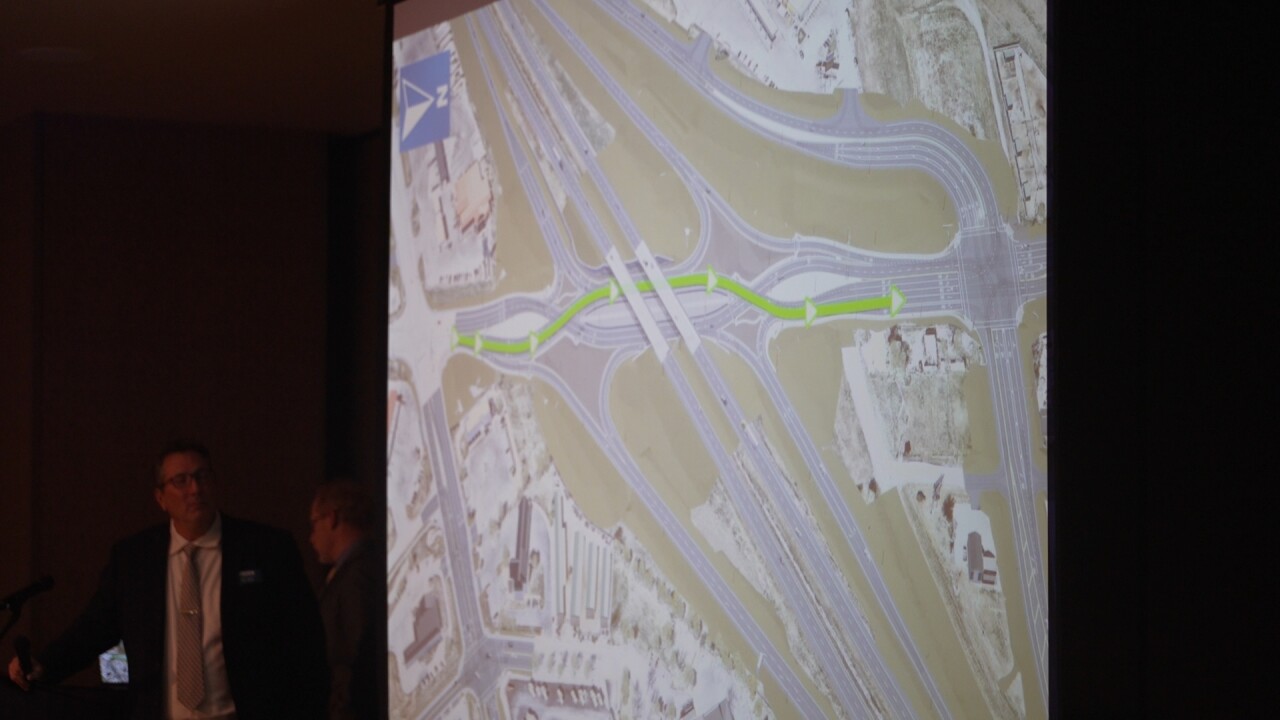
The summit also focused on broader infrastructure concerns beyond highways and bridges, including water systems, wastewater facilities, rail infrastructure, and airports.
While construction projects may frustrate drivers in the short term, leaders argued that proactive investment can prevent larger infrastructure failures and more expensive repairs later.
“It’s important that associations and government work together to try and make sure that we’re in front of those things and anticipating where there might be failures in the future and mitigate that,” Smith said.
