

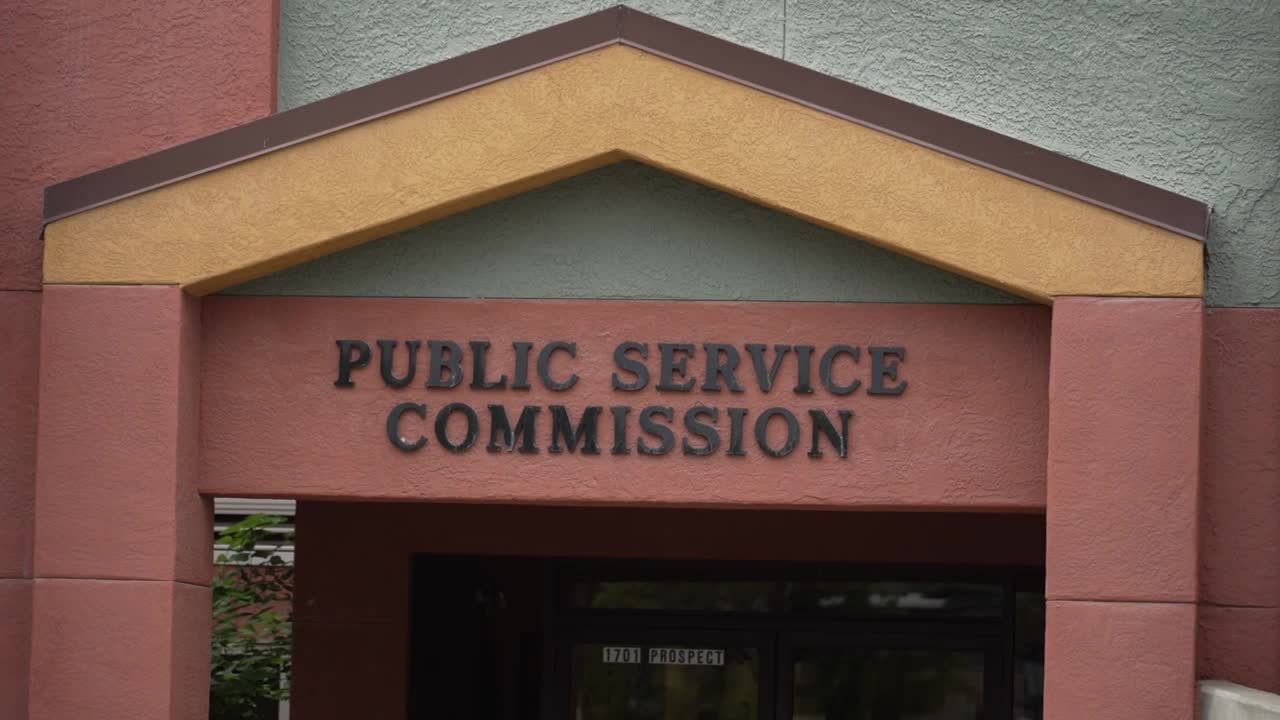



HELENA — Montana Public Service Commissioner Brad Molnar will remain unable to work from the PSC’s offices in Helena for now, after a federal judge denied his request for an order to let him return to the office. It’s the latest in the long-running turmoil on the PSC, centered on Molnar and the investigations into his workplace conduct.
(Watch the video for more on the judge's ruling.)
Molnar sued PSC President Jeff Welborn, Vice President Jennifer Fielder and Commissioner Annie Bukacek – the three members who voted in May to take disciplinary action against him, including requiring him to work remotely. In a hearing last week, Molnar’s attorney argued he had been punished because of constitutionally protected speech, including talking to the media about the investigation and criticizing the PSC’s policies toward large utilities.
Senior U.S District Judge Donald Molloy ruled that some of Molnar’s actions mentioned in the investigative reports were protected. However, he found other allegations, including Molnar’s reported “unwelcome sex-based remarks” and his actions towards PSC employees, did not have the same protection.
“Even if one excises the protected activity from the decision-making process, the record shows that Defendants would have taken the adverse action in light of Molnar’s workplace misconduct and his harassment of staff,” Molloy wrote.
Molloy’s ruling said excluding Molnar from the office did have an impact on his ability to do his work. The judge said both parties in the case had overstated their position.
“Contrary to Molnar’s position, not everything he says or does is protected by the First Amendment,” he wrote. “Equally contrary to Defendants’ position, however, Molnar has a First Amendment right as an elected official to engage in speech on matters of ‘public concern.’”
Still, Molloy determined the other PSC members had shown allowing Molnar to return to the office before he underwent training and agreed to follow the agency’s code of conduct would have a negative impact on the PSC’s staff and work. He said he had not seen enough evidence that Molnar was making amends for his actions.
“Managing not to be the subject of a formal workplace complaint for seven months is a minimum standard of conduct for an elected official, not an achievement,” wrote Molloy.
The judge asked both parties to return next month with a planned timeline for the next steps in the case. He said a trial date could be set at a later time.
Matthew Monforton, Molnar’s attorney, declined to comment specifically on the judge’s ruling. He said Molnar would continue with the federal case, as they seek further evidence they believe will show the other PSC members acted with “animus toward Commissioner Molnar” because of his views on regulatory decisions.
