

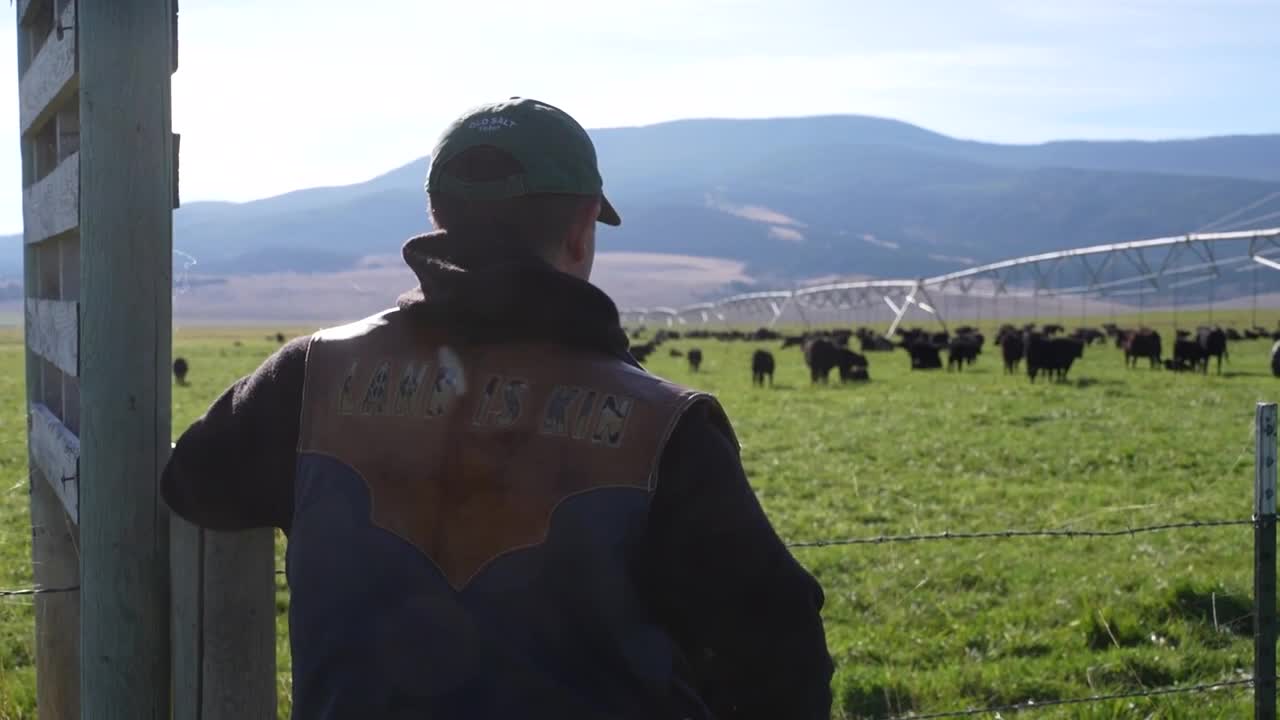


HELMVILLE — For nearly 150 years, the Mannix family has ranched in Montana's Blackfoot Valley. Today, multiple generations still help manage the operation, but the family's focus extends beyond raising cattle.
Watch the story here:
The Mannix ranch is part of a growing movement known as regenerative agriculture, a land management approach centered on improving soil health, strengthening ecosystems, and working with natural processes rather than against them.
"It's a reflection of a culture of care in this place, and I want to serve that," said Cole Mannix, co-founder and CEO of Old Salt Co-op.
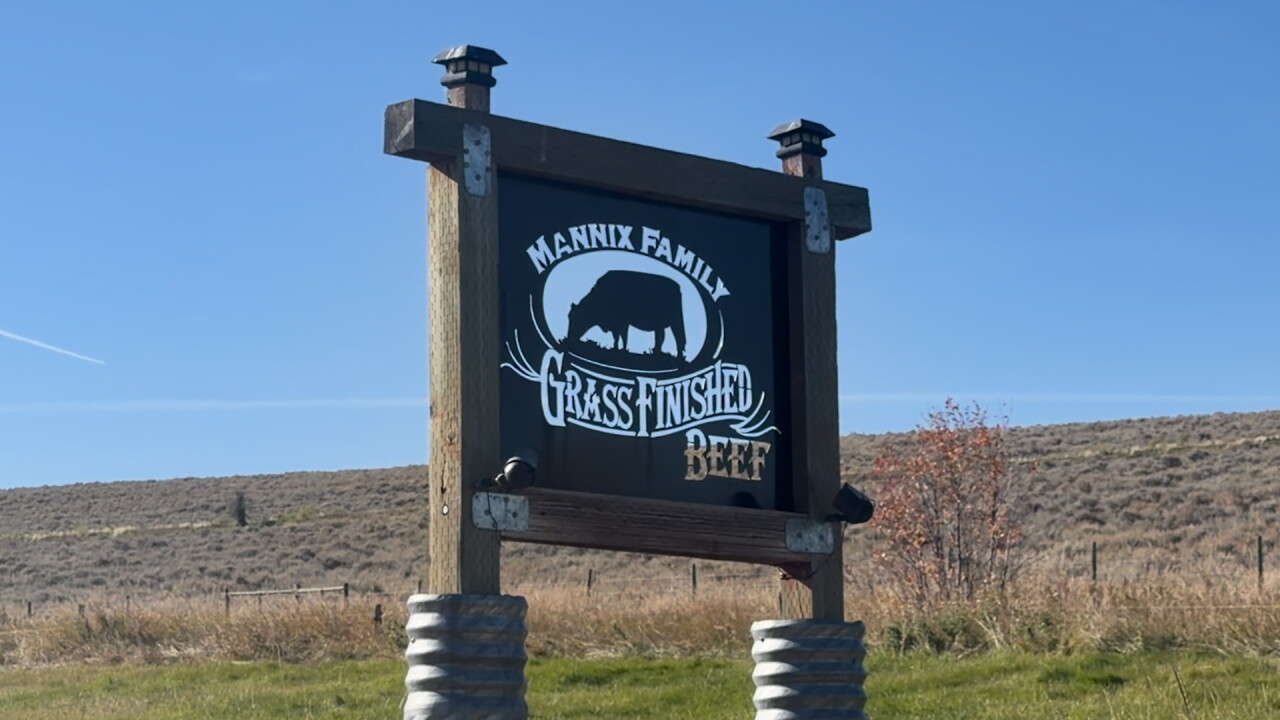
Mannix describes regenerative ranching as a long-term commitment to understanding the land and adapting livestock management to fit each landscape's unique needs.
"Instead of depleting the resource over time in order to produce, it's sustaining or even enhancing that resource over time as it produces," Mannix said. "In order to do that, you have to learn how the land worked before you got there, and learn to be a partner with it, to work with nature instead of against it."
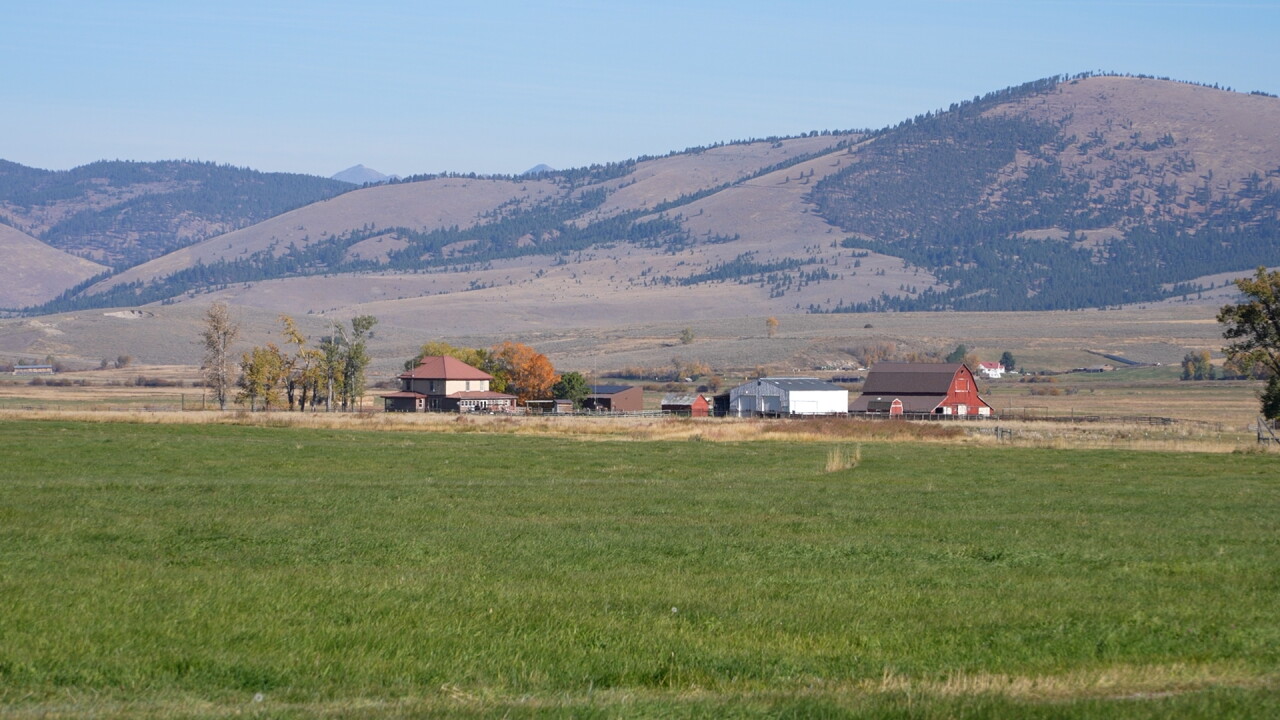
That process doesn't happen overnight.
"For that to happen, it takes time. We're relative newcomers to this landscape," Mannix said.
According to Mannix, successful regenerative grazing requires constantly adjusting management practices to conditions on the ground.
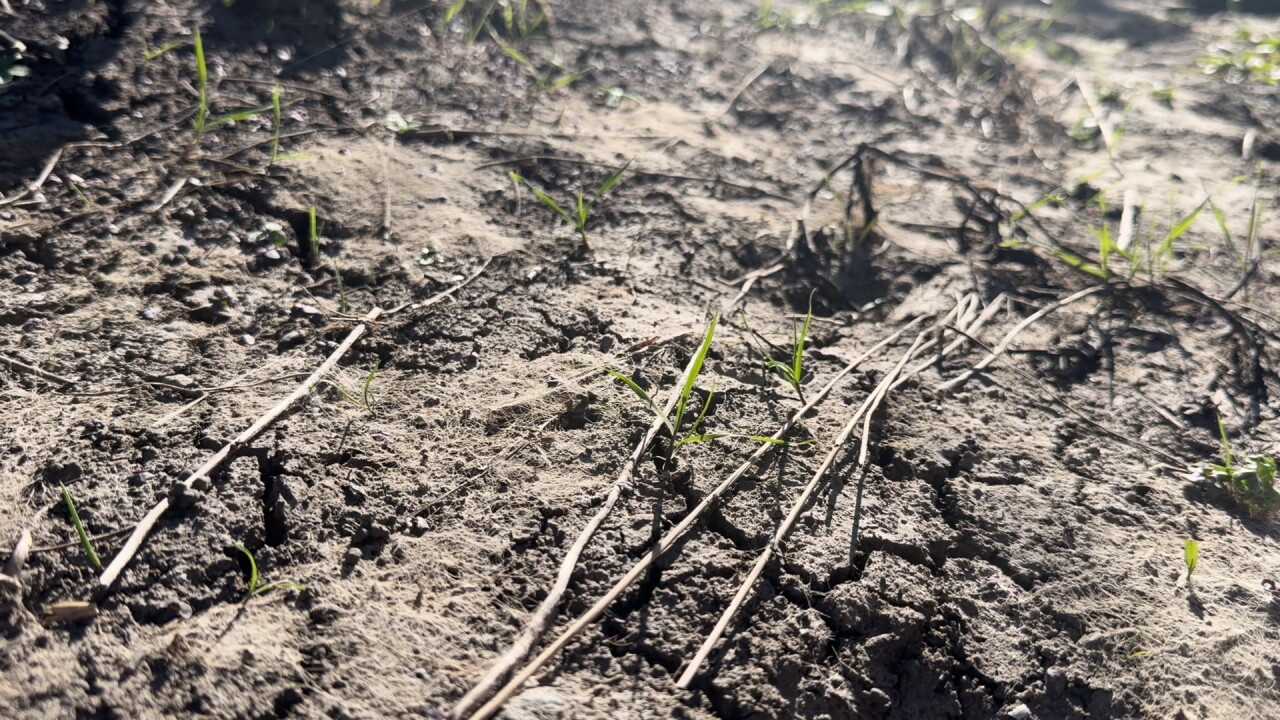
A decades-long battle against knapweed
One of the most visible examples of that philosophy can be found in the family's effort to control spotted knapweed, an invasive plant that had been spreading across thousands of acres of native rangeland since the late 20th century.
By the early 2000s, the plant had become a serious concern for both livestock production and overall ecosystem health. Spotted knapweed was increasingly outcompeting native vegetation, threatening wildlife habitat, water retention, and the land's long-term productivity.
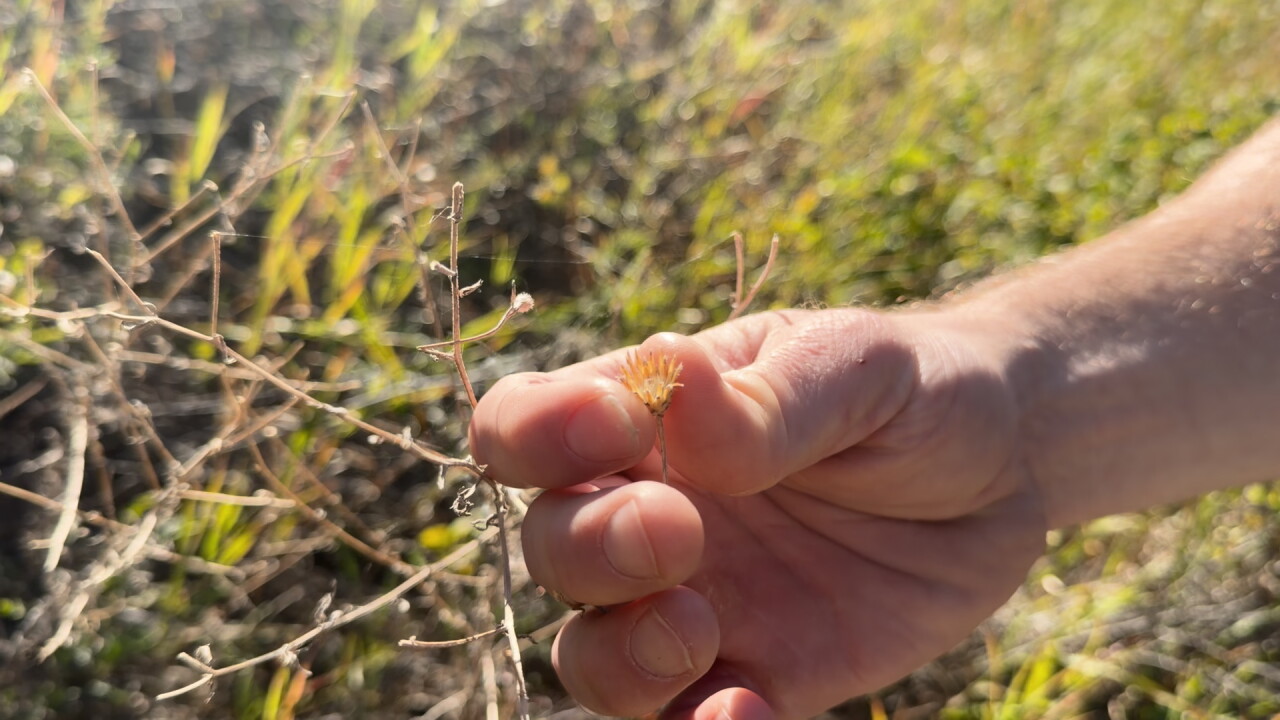
Traditional control efforts had failed to deliver lasting results.
So the family tried something different.
Rather than relying on herbicides, they began experimenting with targeted sheep grazing. Over time, a band of roughly 1,000 sheep became a primary tool in the fight against the invasive weed.
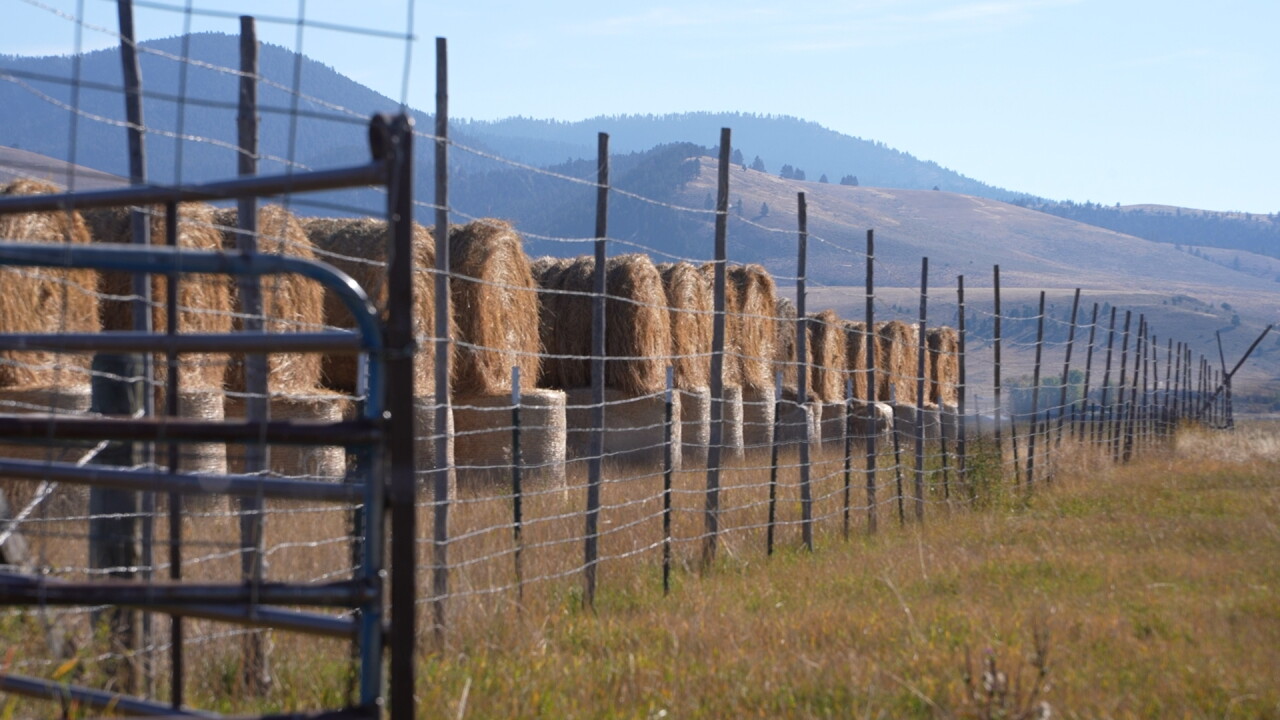
The strategy required patience.
During the first several years, spotted knapweed populations actually increased as mature plants were replaced by younger plants emerging from an extensive seed bank already present in the soil. By year eight, signs of progress were emerging, but the infestation remained widespread.
It took roughly 12 years before the spotted knapweed population began to collapse.
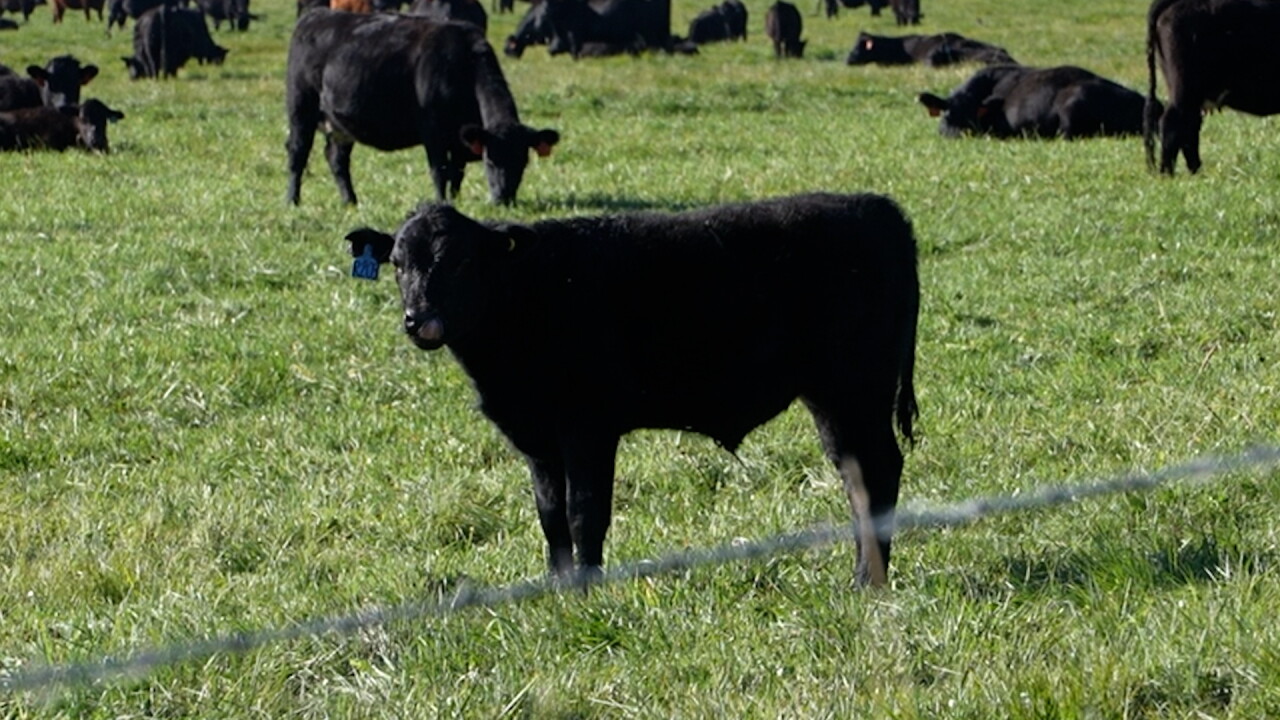
The reason, Mannix explained, is that when sheep consume the plant's seedheads, the seeds pass through the digestive system and become nonviable. Combined with prescribed fire and years of refining grazing management, the practice gradually shifted the balance back toward native vegetation.
Today, Mannix says the results are clear.
"Here's an ecosystem that's healthier at the end than when it started, and it was supporting more livestock overall, both cattle and a thousand sheep," he said.
Connecting consumers to the land
That same philosophy has expanded far beyond ranch fences.
Mannix is one of the founders of Old Salt, a cooperative that includes five Montana ranches, including Sieben Livestock Company, LF Ranch, J Bar L Ranch, and Cordova Farm.
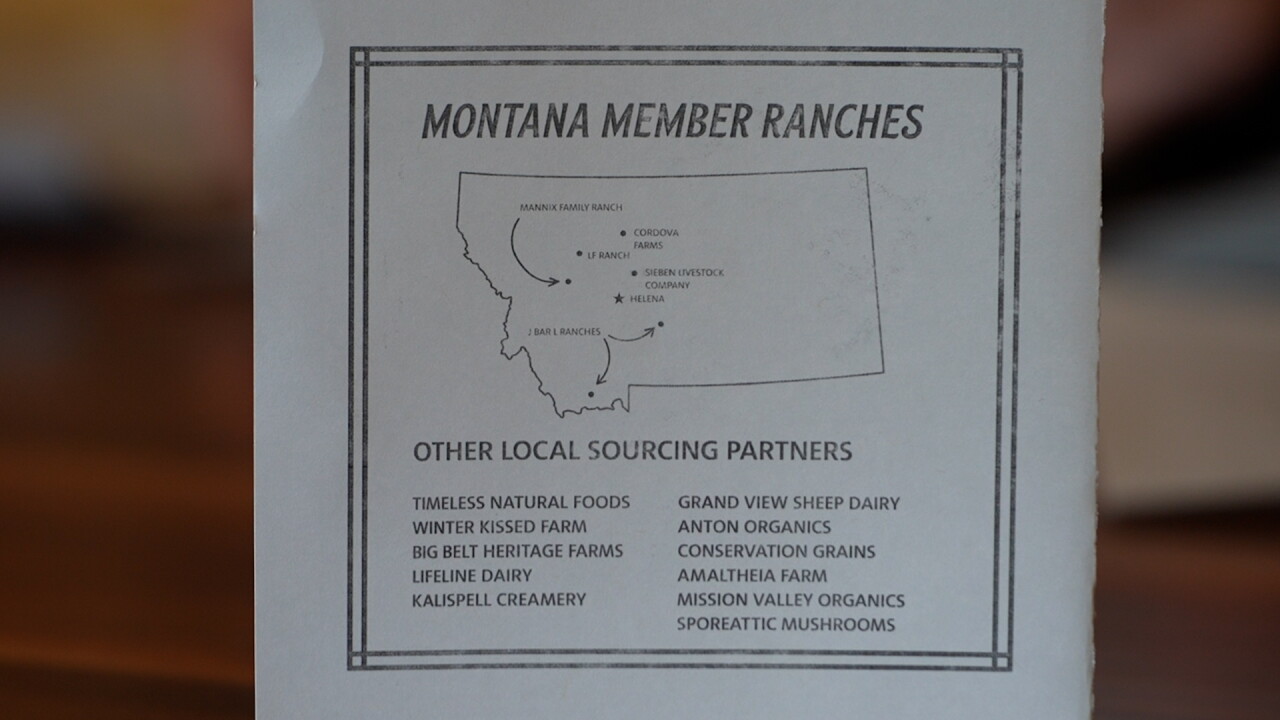
In total, the ranches steward more than 200,000 acres of land and are raising thousands of cattle, sheep and hogs.
The cooperative was created to address a challenge many ranchers face: maintaining control of their product after animals leave the ranch.
Through a network that includes meat processing, wholesale distribution, e-commerce sales, an annual festival and Helena's Union and Old Salt restaurants, the cooperative aims to create a more direct connection between producers and consumers.
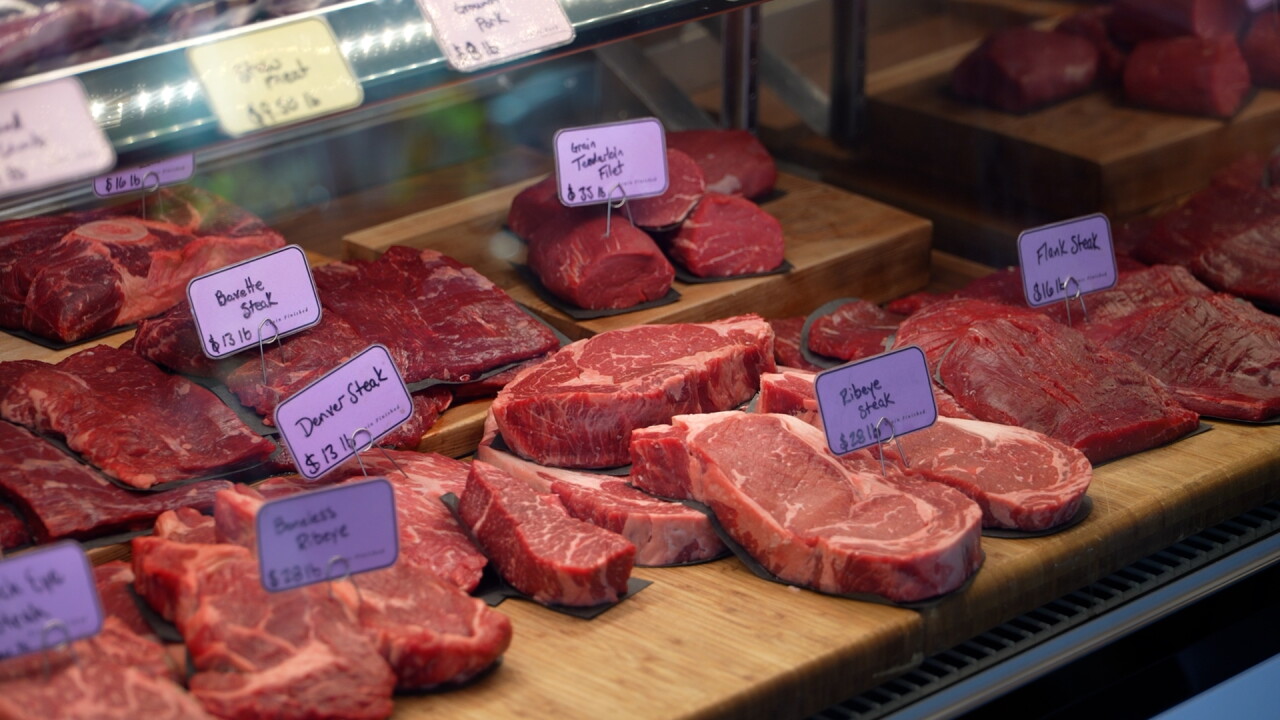
"You've got to build a food system that connects customers with a product in a way that empowers those people," Mannix said.
He argues that most consumers know very little about the origins of the food they buy.
"It's on the shelf, you grab it, you know very little about the history behind that product, very little about the community or the landscape behind the label," he said.
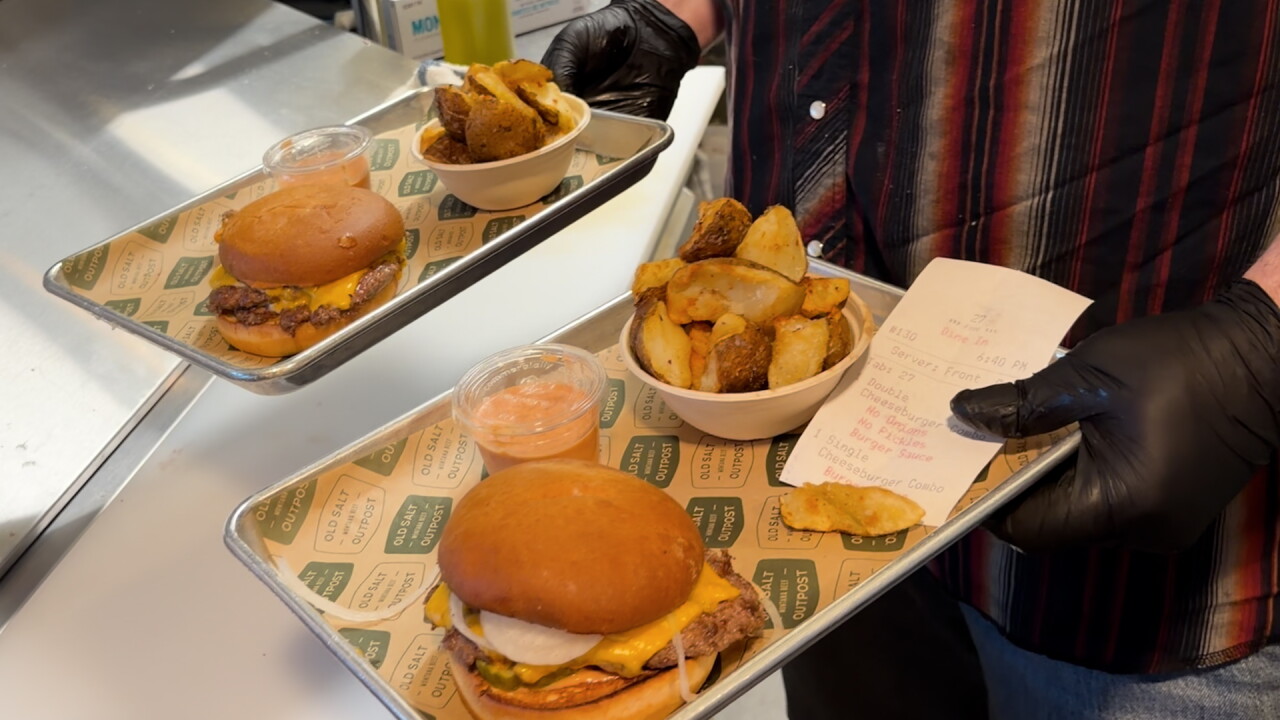
Old Salt's goal is to create more opportunities for people to understand and support the systems that produce their food.
"We're trying to create our own shelf where customers have multiple points of connection with this brand so that they can decide for themselves," Mannix said.
The cooperative's restaurants in Helena serve locally raised meat sourced from member ranches, creating what Mannix sees as a farm-to-table connection that keeps more of the food supply chain in Montana.
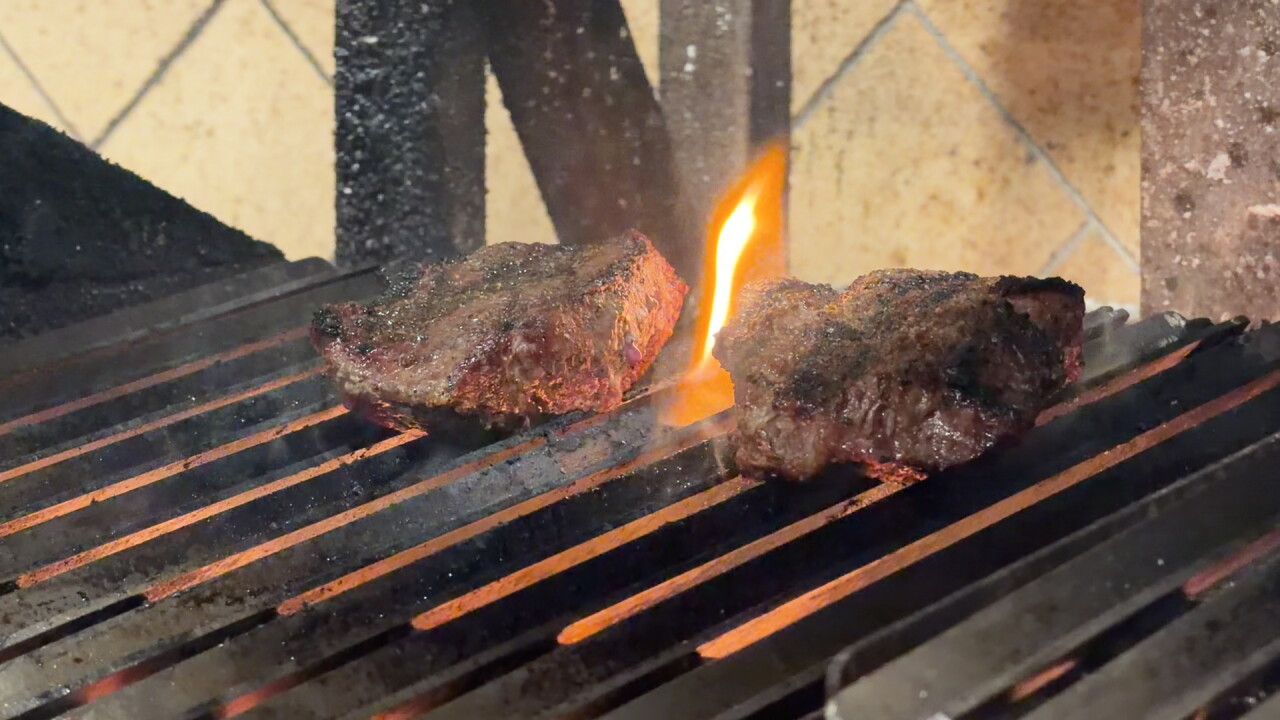
"Old Salt is trying to build its own marketplace, its own economy that gets meat to market in a way that supports life on the land," he said.
A long-term view
Underlying the entire approach is a philosophy Mannix often summarizes in a simple phrase: "Land is kin."
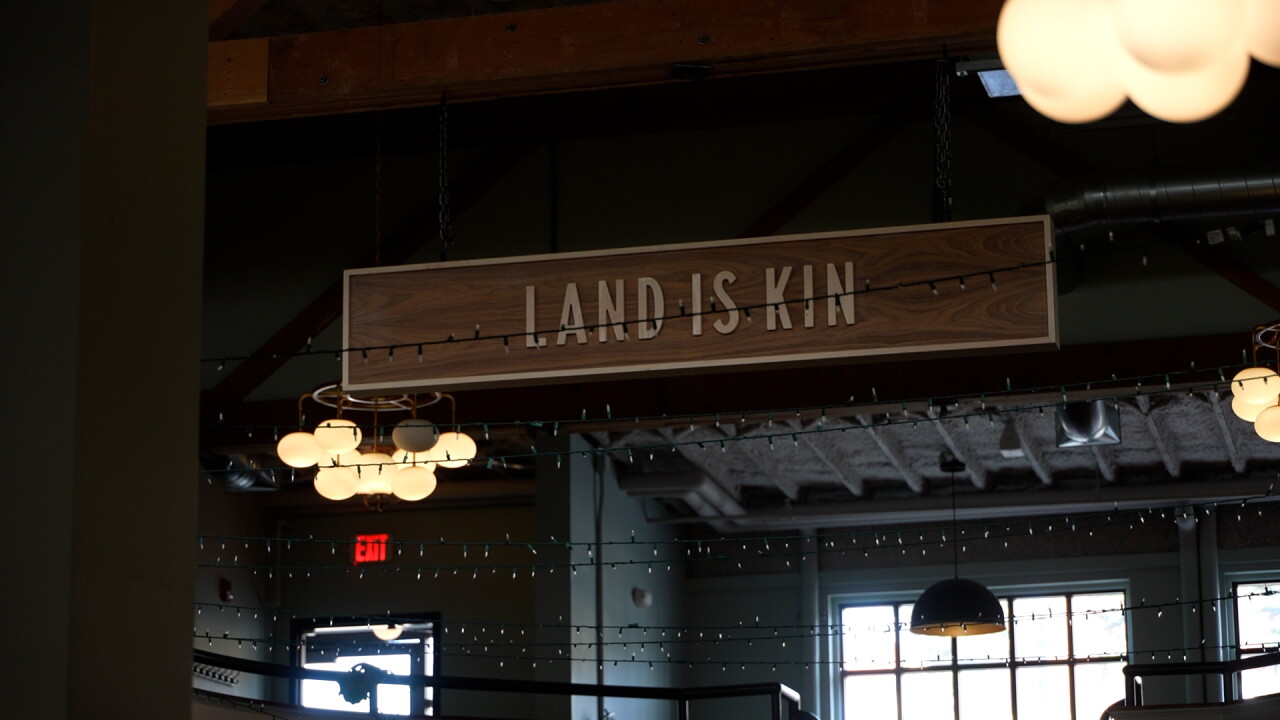
"We say land is kin because we are the land," he said.
For the Mannix family, regenerative agriculture is less about a specific set of techniques and more about a mindset.
"Regenerative agriculture, at the end of the day, is a culture of care instead of a culture of short-term thinking and short-term taking," Mannix said.
Looking ahead, he hopes more local businesses, processors and retailers will participate in regional food systems, creating additional opportunities for ranchers and consumers alike.

"What if we had a lot more opportunity for good retailers on Main Street?" Mannix said. "I would like to see more players in each part of the system to create the redundancy that produces resilience."
And for customers enjoying a meal in Helena, Mannix hopes the experience offers something beyond just food.
"I hope that they feel a little bit more a part of the community in the biggest sense," he said. "The community of people who are bringing their food to market and the community of land that we're all part of."

For the Mannix family, whether it's using sheep to combat invasive weeds, carefully rotating livestock across pastures, or serving locally raised beef just miles from where it was produced, the goal remains the same: leaving the land healthier for the next generation than it was for the last.
