



GREAT FALLS — A trip into Montana’s backcountry can provide a break from everyday life. For the Montana Vet Program, however, that is only the beginning.
The Great Falls-based organization takes veterans on four-day hiking and floating trips across the state. Along the way, participants receive tools focused on mental health, physical fitness, nutrition and life after their time in the field.
(WATCH: Montana Vet Program teams up with Guard, search-and-rescue crews)
“We’re not just offering a reprieve or a vacation,” Deputy Director Bryon Gustafson said. “We’re actually giving classes and tools for mental health, physical fitness, nutrition, all sorts of things.”
The program’s annual Backcountry Immersion takes a different approach while helping support those veteran trips. The fundraiser is open to veterans and civilians who want to test their survival skills.
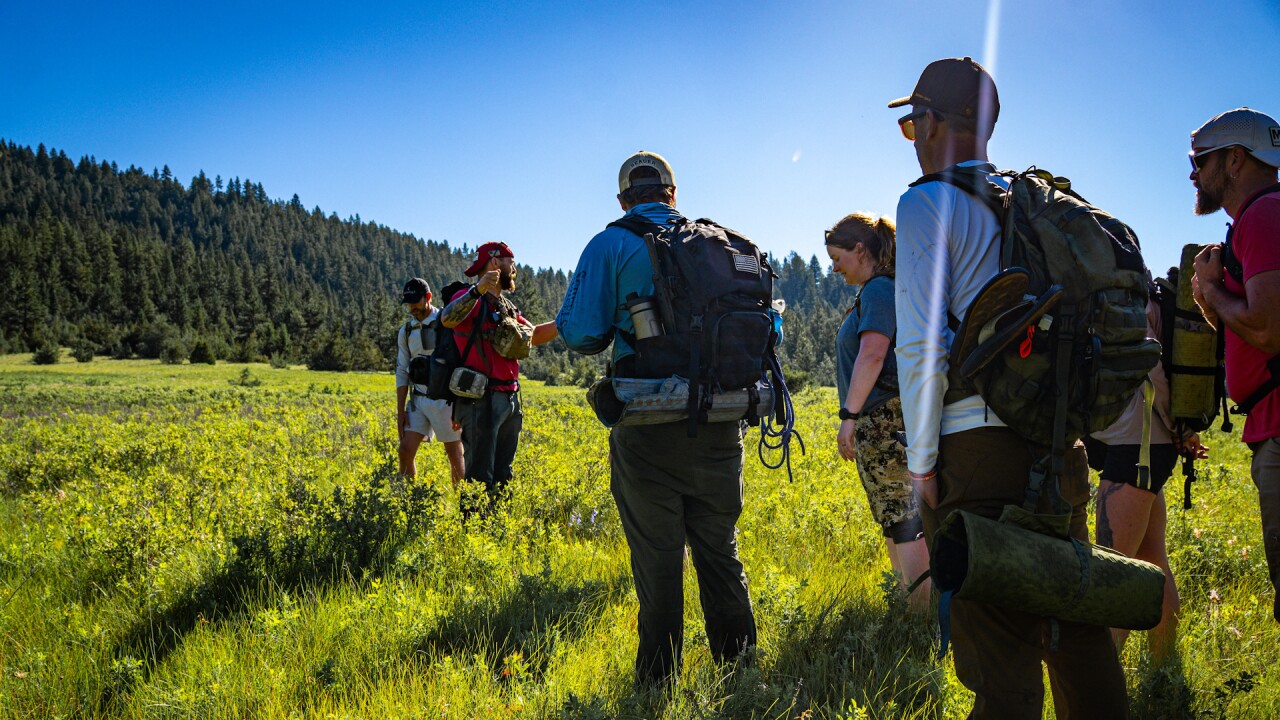
First comes two days of classes. Then, participants head into the field for two more days without tents, sleeping bags, food or water.
Lessons range from building a shelter and starting a fire to finding water, tying knots and signaling aircraft. Participants also learn what to do — and what not to do — if they become lost and need help.
This year brought a new addition to that training.
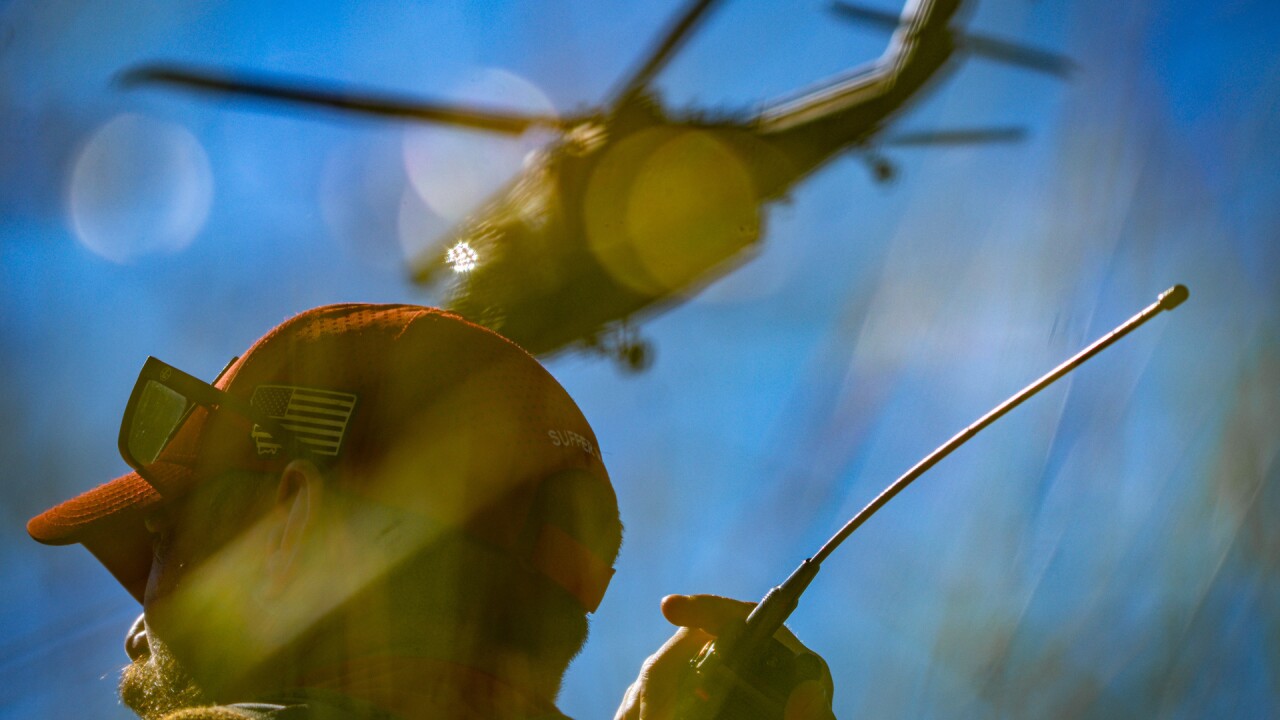
The Montana Vet Program once again partnered with Elkhorn Search and Rescue, but this time, the Montana Army National Guard was able to join them. Aviators carried search-and-rescue members into the training area, giving participants a firsthand look at what happens when a survival situation becomes a rescue.
U.S. Army CW3 Tom Kinyon said the exercise was an opportunity for the Guard to practice coordinating with civilian crews and incorporating aviation into a ground search.
For Elkhorn Search and Rescue, that coordination can make a major difference during a real emergency.
“On missions where we’re too deep in the backcountry and we need to move teams back in there much quicker, we’ll call for an aviation asset,” Dave Kaufman, search coordinator, said.
He also explained, helicopters can help crews search large or difficult areas. If someone is injured and cannot be carried out by ground teams or an ATV, aviation may offer the quickest way to get that person to medical care.
The exercise gave both teams valuable practice. At the same time, it showed participants how to make themselves easier to find and what they could expect during a rescue.
Still, the weekend was about more than learning how to survive or signal for help. Gustafson said experiences like this can show people what they are capable of… especially when they face difficult situations together.
“When you go through hardship like that, especially shared hardship together, you all become much closer,” Gustafson said.
That idea connects to the Montana Vet Program’s motto, “Suffer well.” Gustafson explained it does not mean seeking out hardship. Instead, it is about accepting that difficult moments are part of life, learning how to move through them and knowing there are people willing to help.
More information about the Montana Vet Program, upcoming trips and ways to support its work can be found here.
