

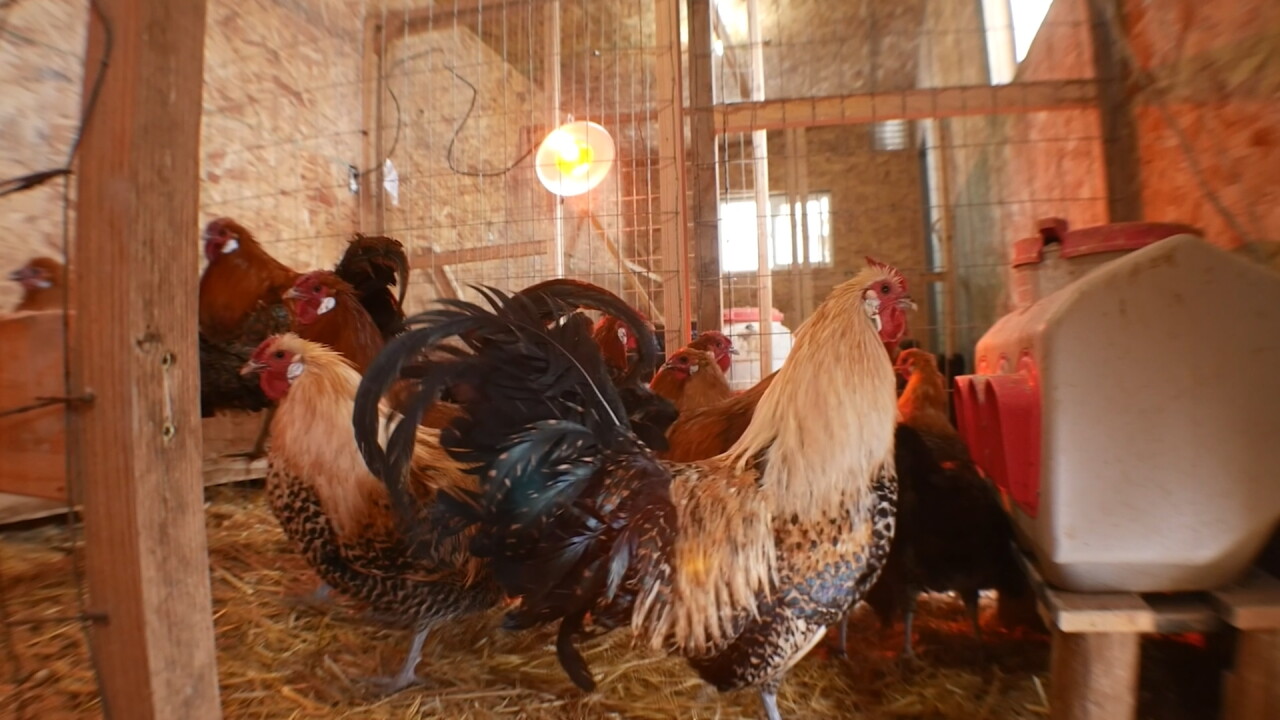


BITTERROOT VALLEY — Last week, bird flu was detected in a commercial flock of chickens in Ravalli County.
Tahnee Szymanski, Montana's state veterinarian, tells MTN this is associated with waterfowl migration.
"Over the last 30 days in the U.S., the Dakotas, Minnesota, Wisconsin, Idaho, and now Montana have all had detections, which were kind of all in right the same band of latitude across the U.S. And so it's just that time of year when we know that the risk of HPI [Highly Pathogenic Avian Influenza] seems to come up," Szymanski said.
WATCH: Bird flu detected in Ravalli County commercial chicken flock
Szymanski notes that wild waterfowl can carry the flu without being impacted by symptoms. Those birds often spread the virus by releasing fluids into shared water sources or food supplies.
"Additionally, the virus is capable of surviving for a period of time. And so even if the birds are relatively confined, and a person goes out and goes into a contaminated environment, they could potentially move that virus back to their coop," Szymanski shared.
In Ravalli County, the illness was detected in an egg-producing flock that lives near a pond.
RELATED: Bird flu confirmed in Ravalli County, Montana's second detection this year
"I think they had roughly 150 birds in the flock. By the time that it was reported to us, they had lost maybe 50 to 60 birds and by the time it was confirmed, I believe that they had lost about 100 birds," Szymanski detailed.
"As far as any eggs that have left the premises, they would have been prior to this detection. So, no worry about kind of any potential risk out there in the environment or to the community," she continued.
Szymanski says that there are precautions people can take to protect their poultry, including keeping flocks indoors.
"We typically say until about the end of December, end of January, depending on what we're seeing kind of at the national level," Szymanski said. "They should secure water sources; they should secure food sources so that wild birds aren't getting into those. They should think about having dedicated clothing and footwear that they can use for their coops.”
Szymanski adds that the risk to people is low, but to be cautious, as the virus can linger and be transferred.
While the Health Department can’t share the exact location of the sick flock, those living nearby should have received word, and they say to keep an eye on animals.
"If you're seeing any illness in your birds, please reach out to us," Szymanski said.
