


FLATHEAD RESERVATION — Across the West, snowpack totals have been lower than average, sparking questions about what this year’s wildfire season will bring.
MTN spoke with the Confederated Salish and Kootenai Tribes Division of Fire about its early outlook.
"I think our fire seasons are starting earlier and going longer," Division of Fire Operations Specialist Richard Fisher said.
From high alpine peaks to low grassy valleys, the Flathead Reservation is home to a wide range of terrain.
The Division of Fire is consistently monitoring the landscape and has already responded to an abandoned campfire that spread.
"We put engines out south, north, east and west, and they’ll patrol depending on the PL levels," Fisher said.
All areas have seen fire, but one side of the reservation tends to burn more often.

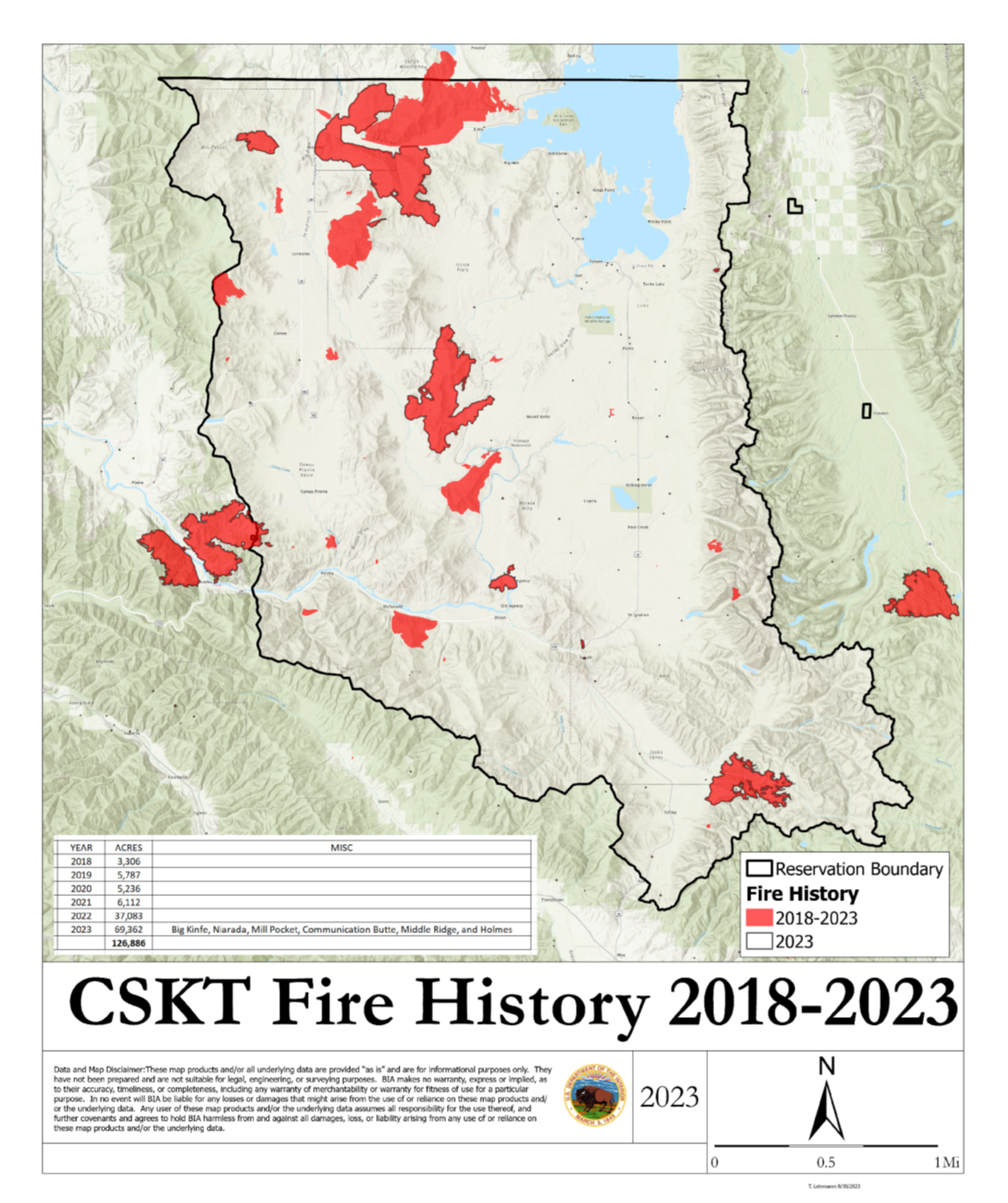
"Our west side of the reservation is usually our hottest and driest," said Devlin Laframbois, with CSKT Division of Fire Prevention and Investigation.
Dry grasses, limited cell service for quick reporting and winds present concerns in the Elmo-Dayton area.
"The wind comes from the west and just blows right down that canyon. So, it dries it out a lot faster," Laframbois said. “Then, right off the bat it goes right to steep terrain and rocky terrain. So, getting to those fires is pretty tough."
The Division of Fire is working to improve monitoring in that area by installing cameras near Highway 28.
"Our DES Coordinator, McKennah Andrews, did a grant for us to get some cameras," Fisher said.
Looking ahead to the 2026 fire season, late spring rain and the type of summer storms could make a difference.
"We've had years where we typically get some thunderstorms that come through, you know, the last two years they've came in wet. And the year before that, they came in dry. So, we had, I think, five type three fires going on at the same time," Fisher said.
Officials say the public can help reduce fire risk by being cautious with driving and burning, including debris and campfires.
"I think the huge thing for me as a fire prevention person is just trying to reduce all those person-caused starts. So, just make sure to double-check your campers, your boats, your chains, your brakes. All those are what causes lots of fires," Laframbois said.
