

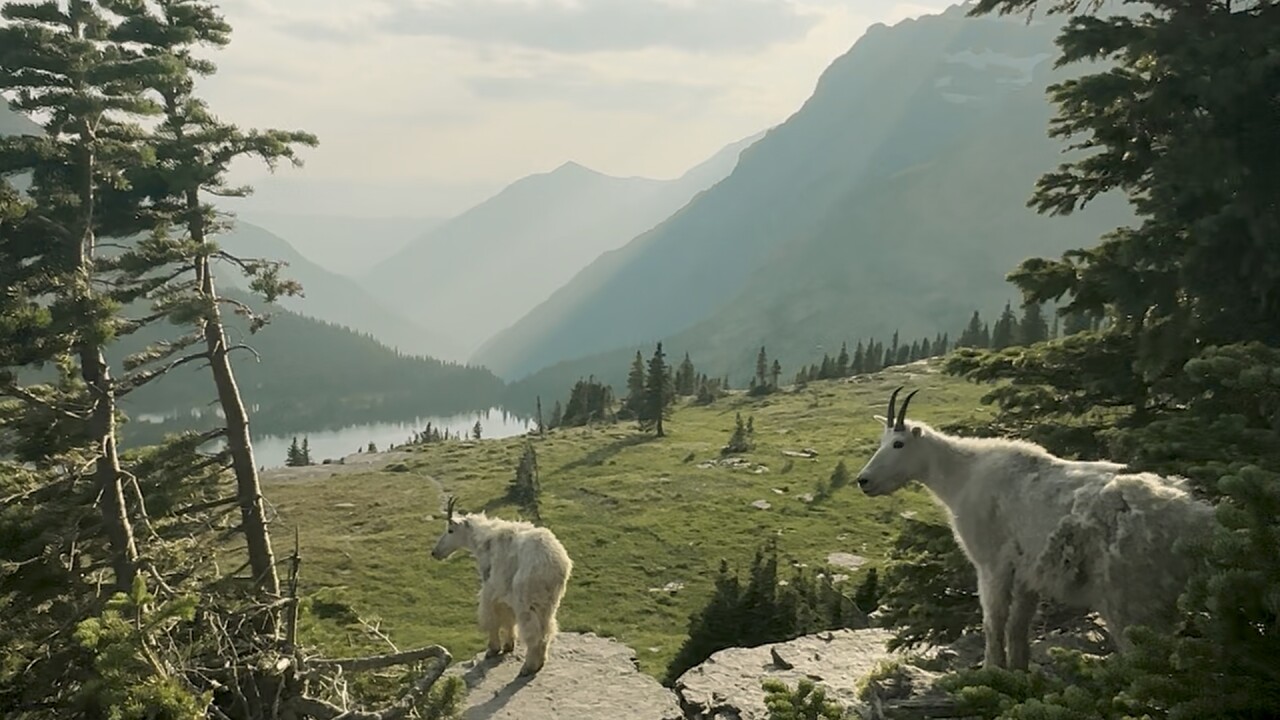


GLACIER NATIONAL PARK — Mountain goats are an iconic staple of Glacier National Park.
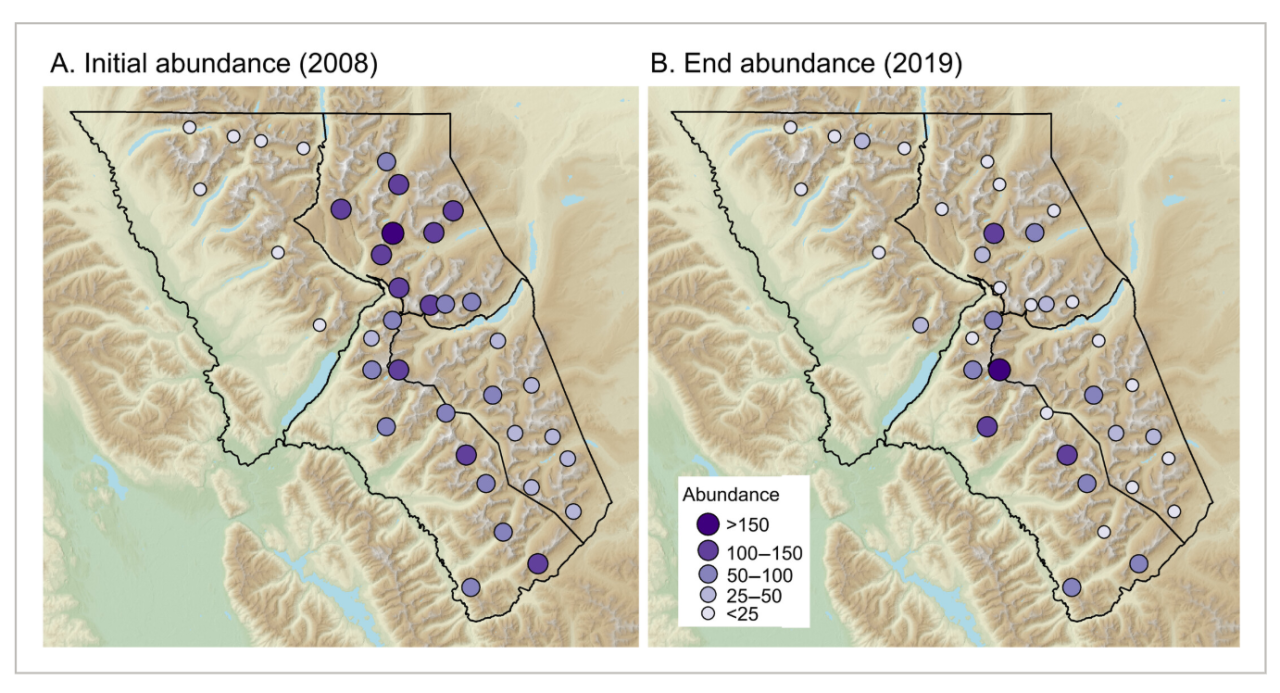
However, a recent study shows populations have declined by 45% over the last 12 years in the Crown of the Continent.
Published by the Ecosphere Journal, the study highlights data from U.S. Geological Survey and National Park scientists who conducted almost 2,000 surveys over the study time period from 2008-2019.
The study finds mountain goats have relatively small litter sizes, frequent reproductive pauses, and give birth for the first time at later ages.
Conditions are changing in the high country, the study says, so alpine species like goats are sensitive to climate change as they have limited terrain to move habitats and need mineral licks.
Permanent snow and glacier proportions as well as weather changes play roles in population growth rates.
"Lower growth occurred with less snow water equivalent, lower mean winter temperature, and lower early summer temperature and precipitation. The strongest variable influencing population growth rate was early summer precipitation."
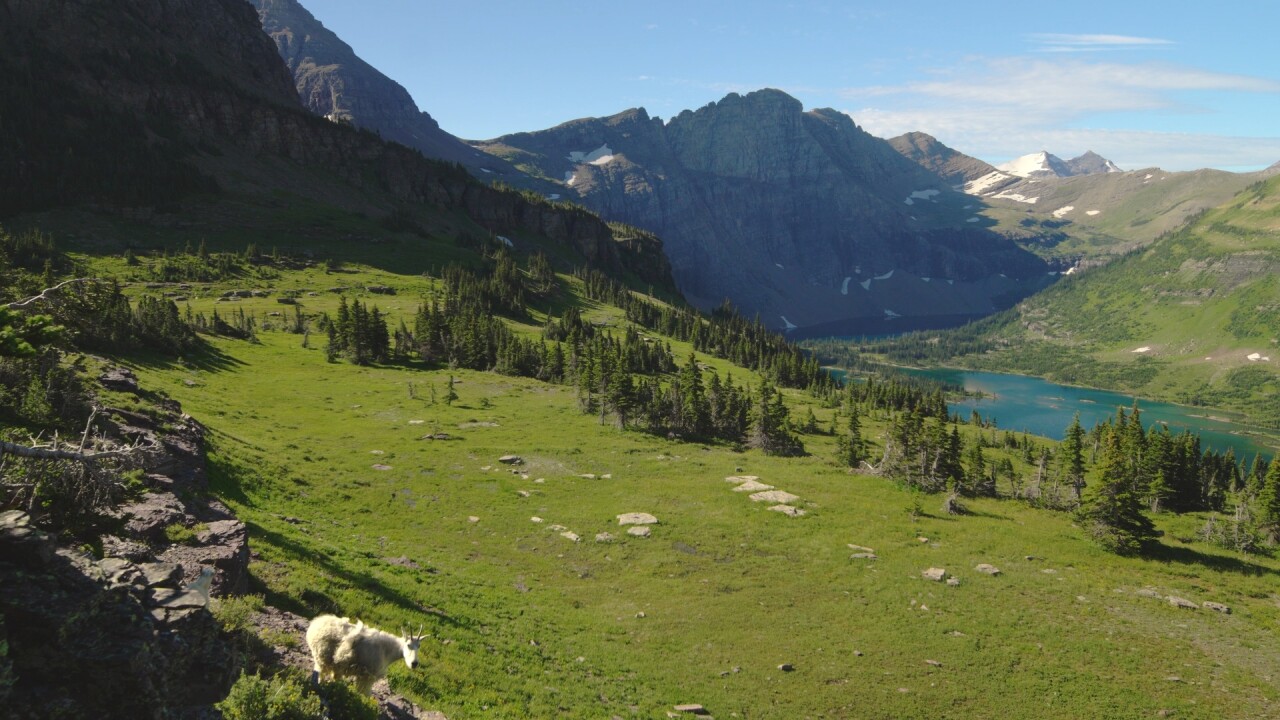
Human habits also impact goat populations.
The study reports, "High visitation combined with the availability of salt from human sources (e.g., urine, sweat, roads) [around Logan Pass] and in some backcountry areas has led to habituation and goats using humans as shields from native predators including bears, mountain lions, and wolves."
"Along with disturbance, visitor urine can bring nitrogen, caffeine, antibiotics, and hormones to alpine habitats."
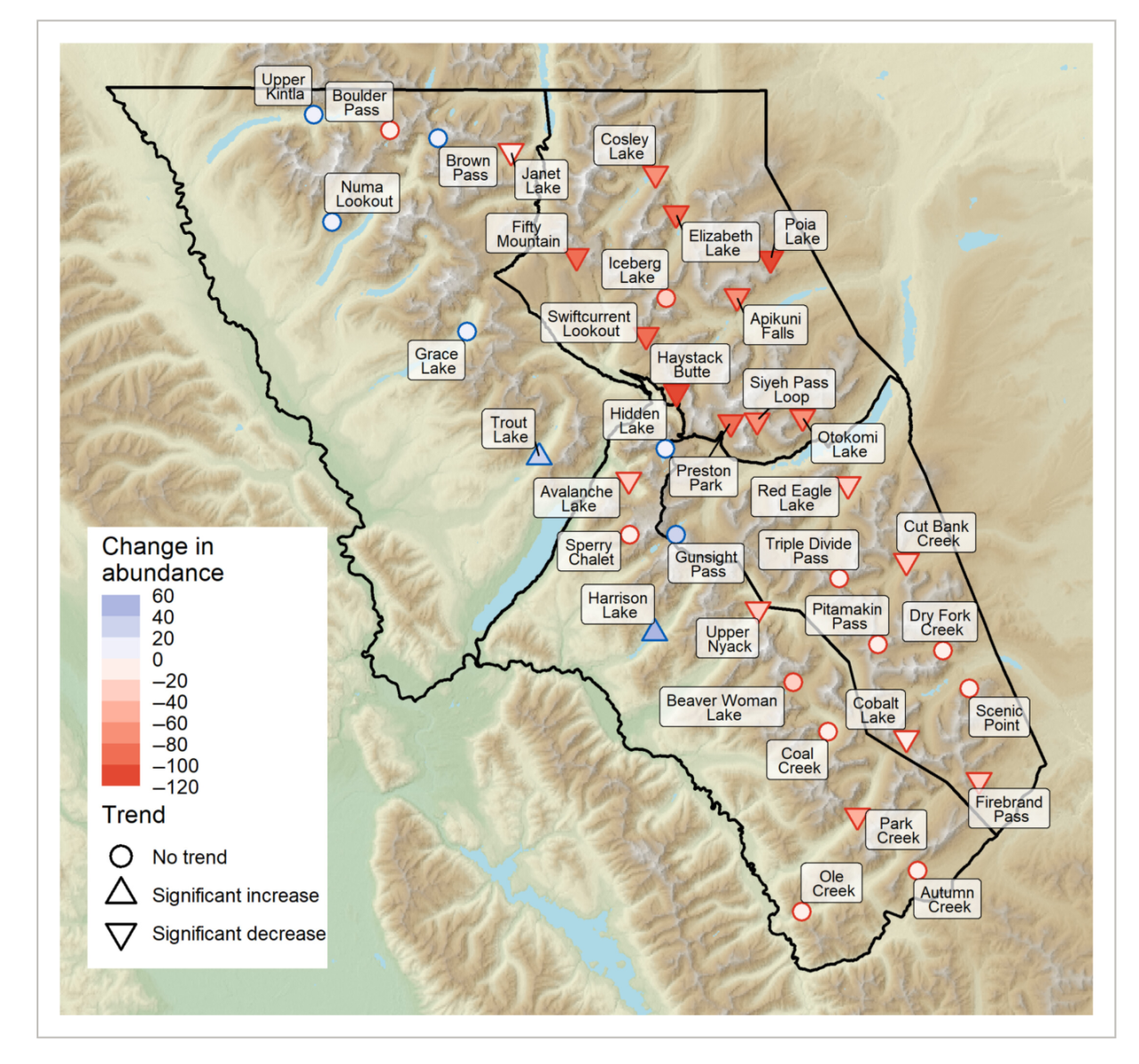
Data shows goats decreased most in the northeastern area of the park.
One area near Logan Pass saw a decrease from 134 goats to 22.
"This site (Haystack Butte) had an estimated median decline nearly twice the average site-level rate," the study shares.
There's been some growth in the west-central area, but the overall trend classifies the population as vulnerable by the International Union for Conservation of Nature's criteria.
That means there has been a greater than 30% decline over only two generations.
"We found statistically supported declines over the study period at 18 of the 37 sites, with 14 of those in eastern quadrants."
To read the full study and see how the data was calculated, click here.
