


ST. REGIS — When FEMA updated its floodplain maps in 2024 for St. Regis, residents found themselves in a bit of a pickle as the boundaries had expanded into the majority of the town. But now, they're banding together to try to address the issues and work toward a solution.
WATCH THE VIDEO BELOW:
“You can tell right here, this is the small little opening that all the water during high water that St. Regis has, has to come out. And so it just gets congested, it just gets built up, and then it raises it, going back, and that's where you have the problem,” said Ken Jasper, a resident and member of the St. Regis Resort Area Board.
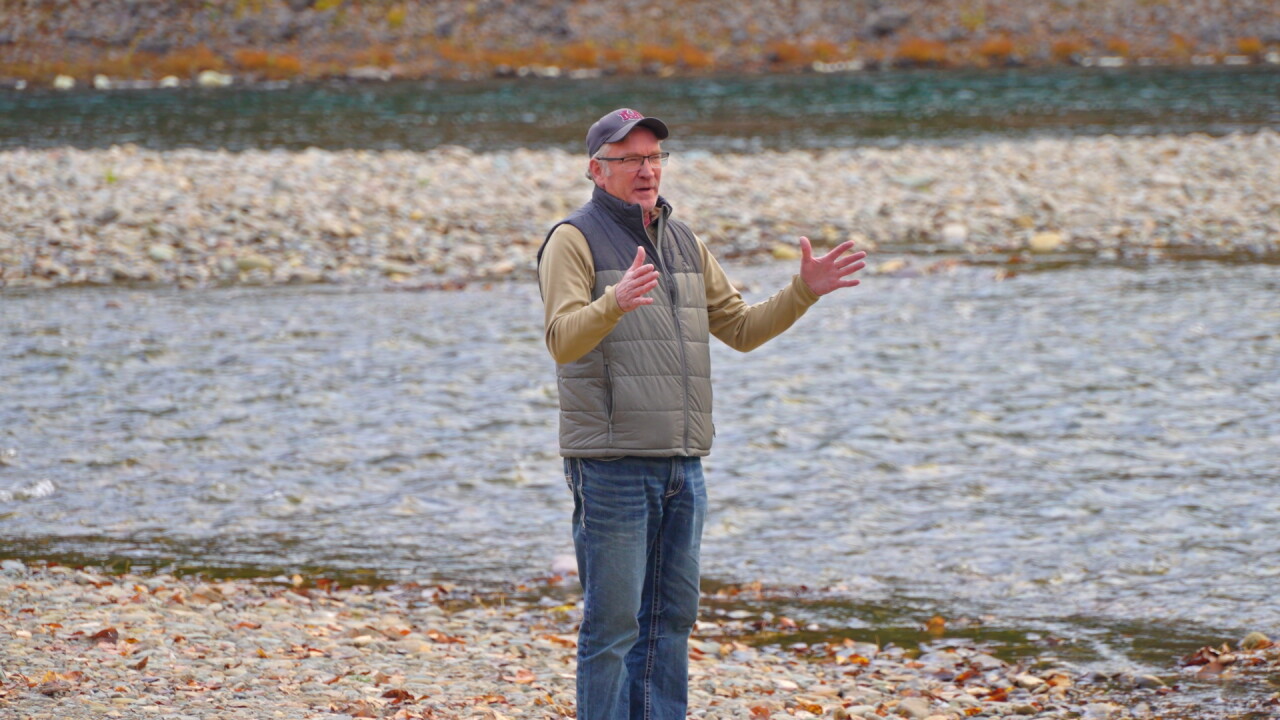
Jasper says that with the updated maps, multiple buildings in town are now in the floodway, while others are now in the floodplain.
“As far as the floodway goes, it's a whole new ball of wax. If your building burns or you want to replace it, you can't. If it's burned over 50%, you have to go with what's there, and then you would be done and over with. As far as new projects coming to town, it really limits them. You really can't do anything,” said Jasper.
With those facts, Jasper says it’s put people who were already in a tough spot in even more of a conundrum.
“It's by far and away the most talked about and detrimental part about living in St. Regis. It's really placed, you know, St. Regis isn't a community with the kids that go to school here. There are 80% of them on free and reduced lunches. It's a poor community for the most part and you know that impact and that dollar amount on housing, which is already in short supply here. Just another burden that most people just don't need here,” said Jasper.
But now, the St. Regis Resort Tax District has received a $280,000 Montana Resiliency Fund grant to identify and prioritize flood mitigation for the community.
The grant was received by the community in partnership with Headwaters Economics, a Bozeman-based company that helps improve rural communities’ resiliency.
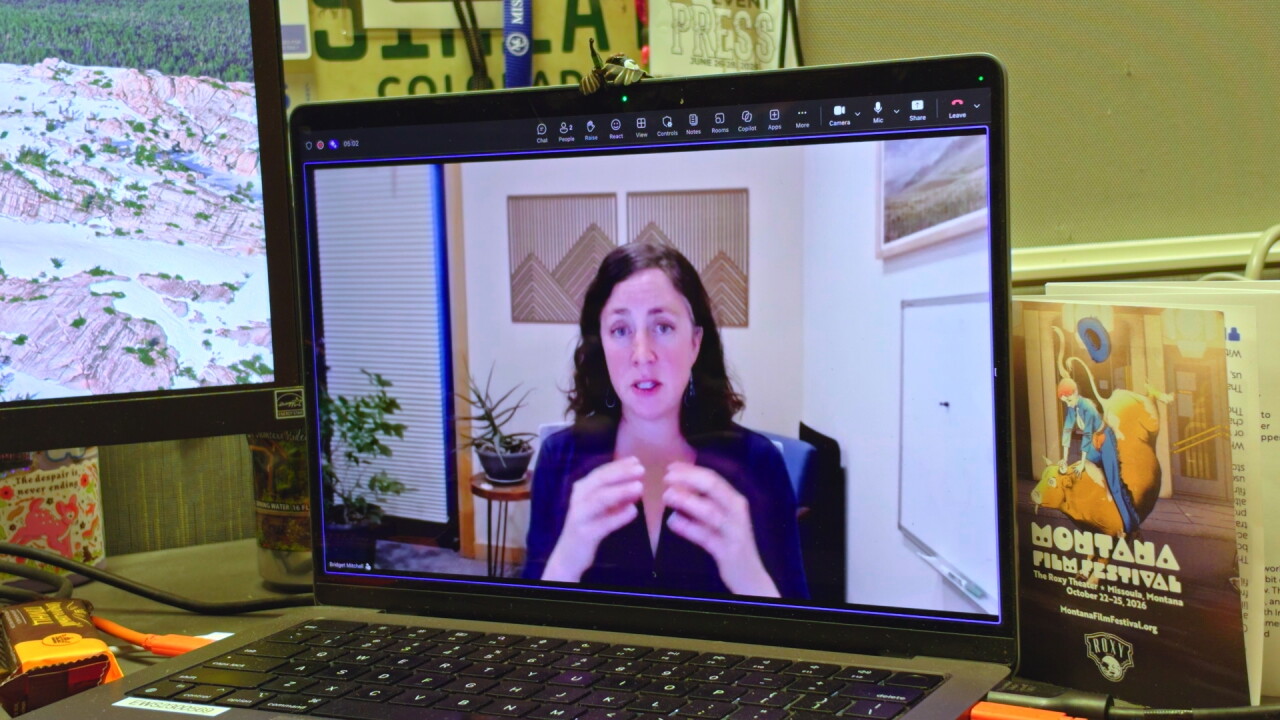
Bridget Mitchell is the Floodwise Community Assistance Lead at Headwaters Economics.
“The cool part of this project is that not only would these flood solutions benefit the community, but they're also looking at bringing in stakeholders such as MDT, the Montana Department of Transportation, the railroad, because they have this critical infrastructure, I-90 and the railroad corridor coming through this smaller community,” said Mitchell.
And with the ball now rolling on mitigating risks, Jasper is left with hope for his home.
“It's a wonderful place, you know, so many opportunities. You can go in the mountains. You're an hour from the city. The people are wonderful. And I suppose that's the main thing. You know, it's where I grew up. It's been a good place to provide for my family. And I wouldn't want to live anywhere else,” said Jasper.
While there is yet to be a set timeline for when some of the mitigation work may begin, they expect that it could be roughly 5 to 10 years.
