


WEST GLACIER — For the first time since the 1980’s, the Flathead National Forest has proposed major updates to rules and regulations that govern the three forks of the Flathead River.
Officials are seeking public comment on a draft comprehensive river management plan that would impact the waterways for decades to come.
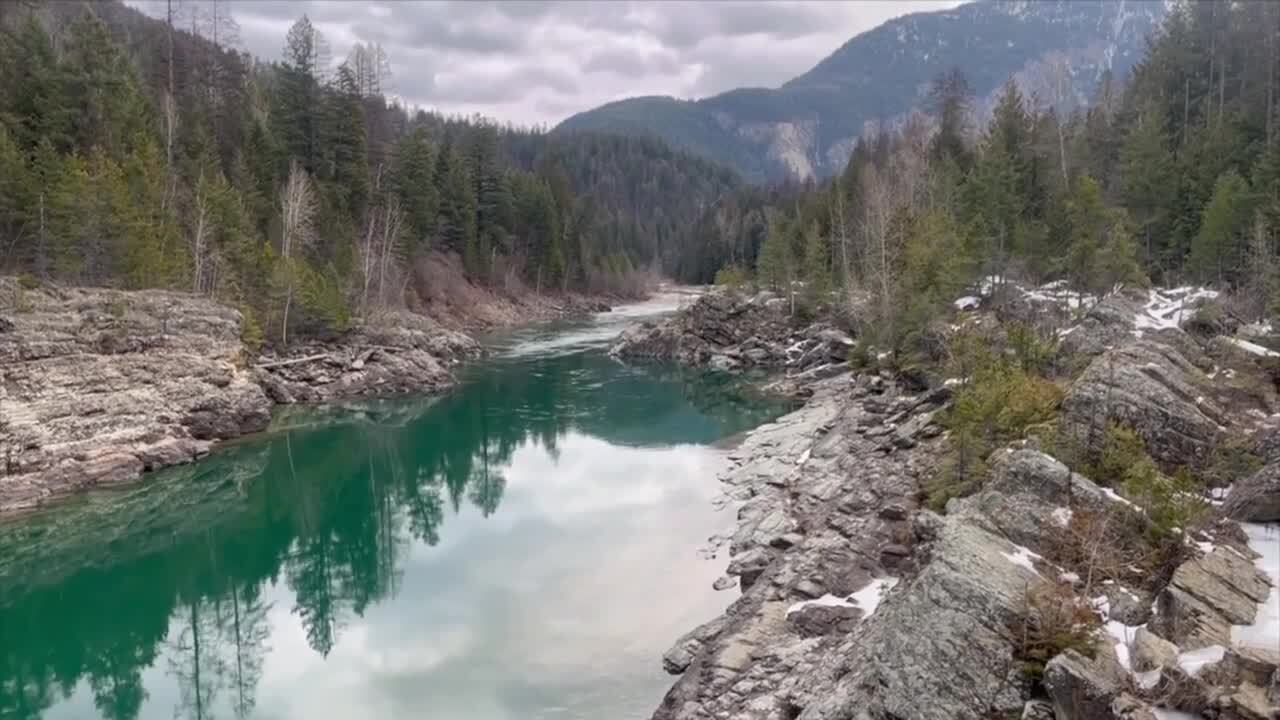
The Flathead Wild and Scenic River is three separate forks with river segments classified as wild, scenic and recreational along 219 miles of federally-protected river corridor.
Watch to learn more:
The plan reaches from the north fork at the Canadian border, the entire middle fork and the headwaters of the south fork to Hungry Horse Reservoir.
Flathead National Forest District Ranger Robert Davies said an updated comprehensive river management plan aims to safeguard this valuable resource in Northwest Montana.
“Fisheries, geology, water quality, heritage, there is some very unique features, and this plan is intended to protect all of those,” said Davies.
Davies said the plan proposes individual management actions to protect the river, including an unlimited mandatory permit system for floaters.
“The permit system is really just to help validate how many people are floating the river, it will give us trends as we see increases, we know there’s increases in use, more and more people are moving to the Flathead Valley, we’re seeing floating the river as a very popular activity, and these permits will just provide data so we can accurately count how many people are on the river.”
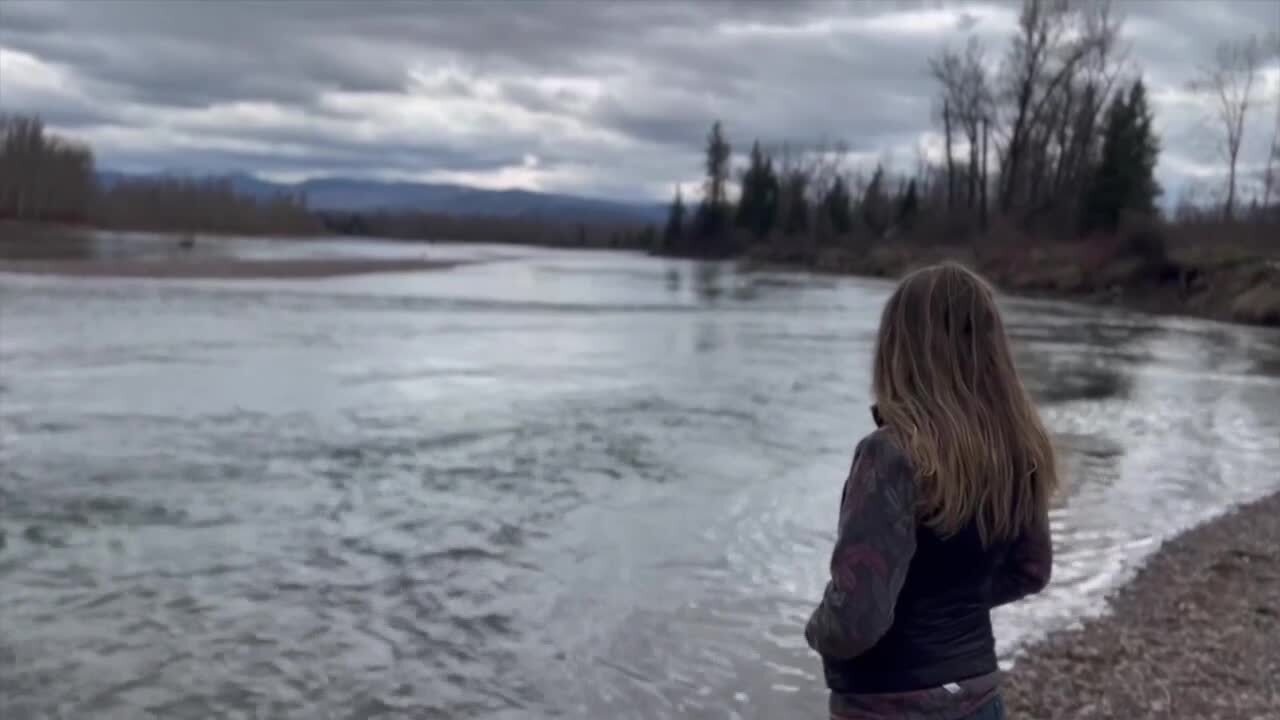
Davies said certain sections of the river could potentially see capacity triggers that could initiate more management actions, like limiting parking spots at certain areas and enforcing stronger river etiquette education.
“This is not a first step to do a lottery-type permit system for the whole river; if it happens at all, as we expect more growth, it would be in a few isolated reaches that are getting close to capacity,” said Davies.
Other proposals in the plan include noise limitations, such as prohibiting the use of drones for recreational use and getting rid of camping for motor vehicles on gravel bars below high water.
“We have river access points all up and down the river. We want to continue to use those to launch boats, for day use, for picnicking, fishing, whatever, but the overnight use of camping from vehicles is one change we are proposing,” added Davies.
Davies said public participation is vital on the proposed management action items, with public comment accepted through March 13, 2026, before a final plan is expected to be released this coming summer.
Two public information sessions will be held this week in Kalispell in the Flathead Valley Community College Arts and Technology Building on Tuesday and Wednesday from 6 to 8 p.m.
Officials will provide information on the proposed plan and will be available to answer specific questions from the public.
“Get feedback, did we do this right, did we hit the right mark, and it’s a really important time right now with a 30-day comment period to try to get help on getting our new plan correct and trying to accommodate as much public feedback as we can, at the same time protecting river values,” said Davies.
Flathead Rivers Alliance Executive Director Sheena Pate said now is the time to have your voice heard if you have opinions on the proposed plan.
“This is also the 50th anniversary of the designation Wild and Scenic River for the Flathead, so what an incredible year for the public to really rise up, give their feedback on how they would like to see the river system managed in the future because ultimately we’re here for the resource,” said Pate.
More information on the draft comprehensive river management plan can be found here.
Flathead River management plan history
The management updates coming to the Flathead River are part of a long history.
The National Wild & Scenic River System was actually inspired right here in Montana by the three forks of the Flathead.
In the 1950s, brothers Frank and John Craighead, renowned wildlife biologists, fought against a dam proposed on the Flathead River. They started a campaign to protect and educate the public about America’s free-flowing rivers. With community and national support, this lead to the Wild and Scenic Rivers Act of 1968.
Watch to learn more:
But it was not until 50 years ago, in 1976, that Congress protected the three forks of the Flathead River under that system. Then, in 1980, the river’s current Comprehensive River Management Plan was instituted along with a 1986 management direction, which has guided policy around the three forks ever since.
The U.S. Forest Service started working towards updated plans more than eight years ago, holding public meetings in 2018. After several delays, there is now a renewed opportunity to make your mark on the river’s management.
Lolo National Forest management plan
The Flathead River is not the only public land getting a big management update. The Lolo National Forest’s plan revision has been in the works for years. Like the river’s plan, the National Forest Plan is the management guideline for that forest for the next several decades.
The Lolo National Forest’s current plan is from 1986. The USFS began plans to update it back in 2022 and originally planned to have the update done this year. But, in late January, they announced they adjusted their timeline. The USFS said they are expecting to release drafts of the new plan this summer, in a press release thanking the public for their patience and input as the revision process continues.
You can find updates on the process and more information on the Lolo National Forest’s website.
